
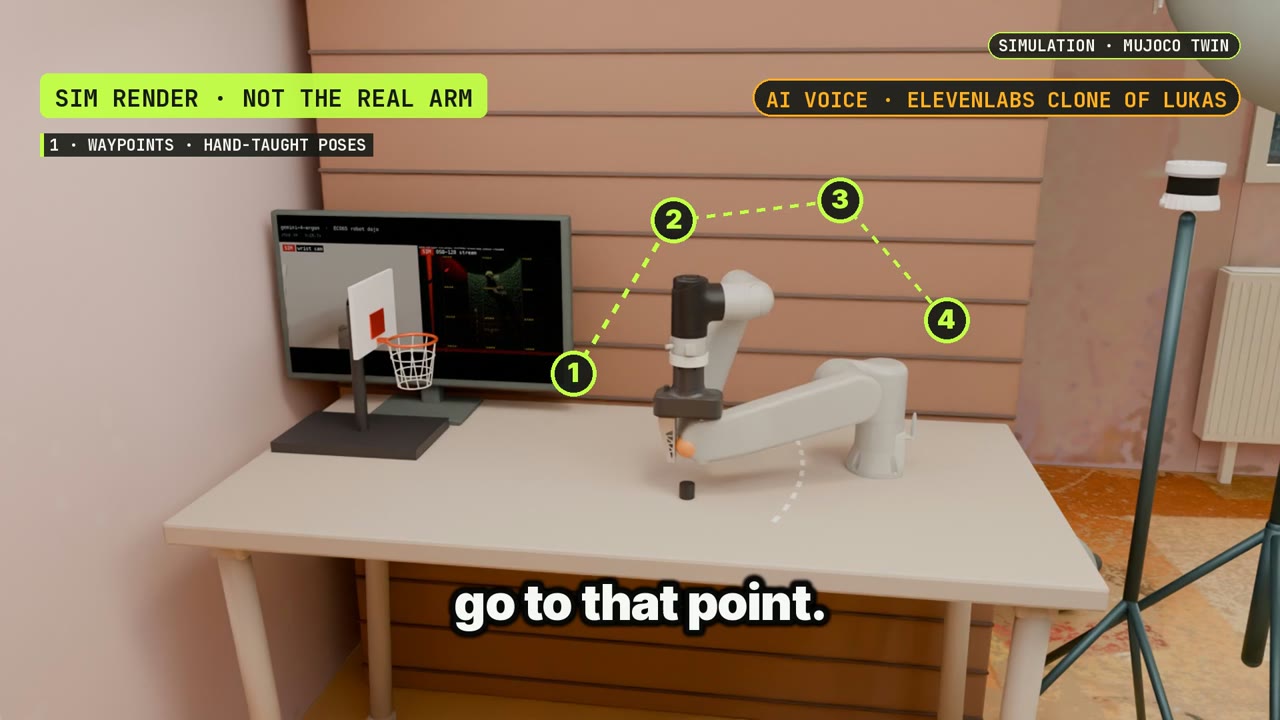
Gemini gets cameras, LiDAR and code-writing access to a simulated ECO65 basketball setup. After fixing the desk, physics and gripper, the final five-throw test scores four baskets, while Gemini mislabels one made shot. This is a small fixed simulation test.
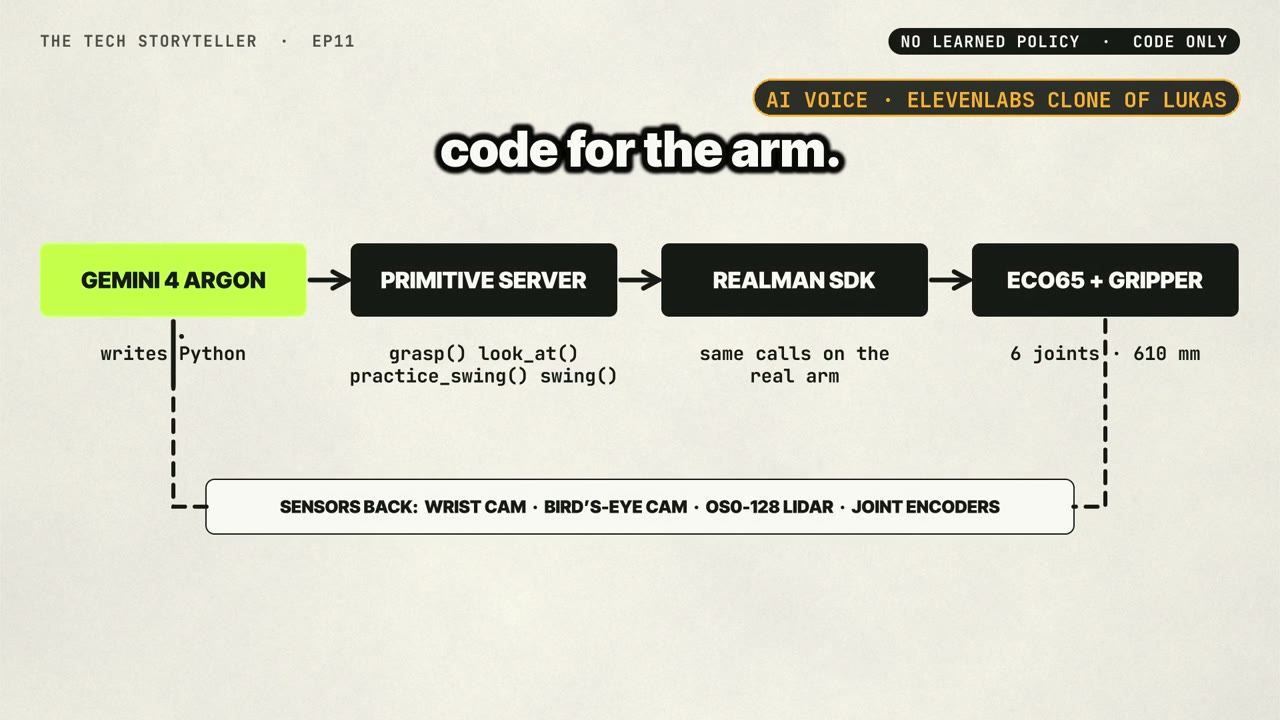
I gave Gemini a robot arm in the digital twin of my desk and asked whether it could shoot a tiny three-pointer. My own bet was that it would not even hit the rim. The setup gave the model camera images, LiDAR and the ability to write code for a simulated RealMan ECO65. There was no training run for this particular task.
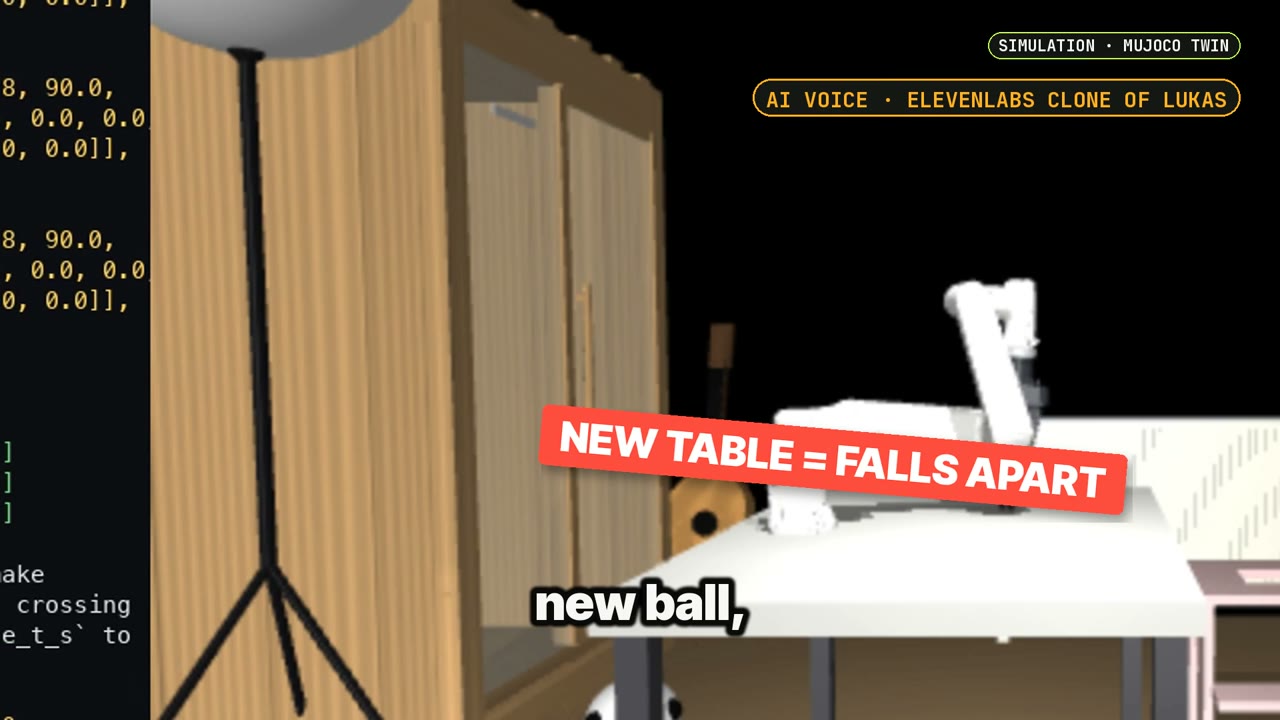
Before that question meant anything, we had to fix the experiment. We had the wrong table. One simulation blew up. The gripper squeezed the foam ball out instead of holding it. It is tempting to treat that work as preparation and jump straight to the throws. But those details determine what the result actually says. A model cannot compensate for every mistake in the world I hand it.
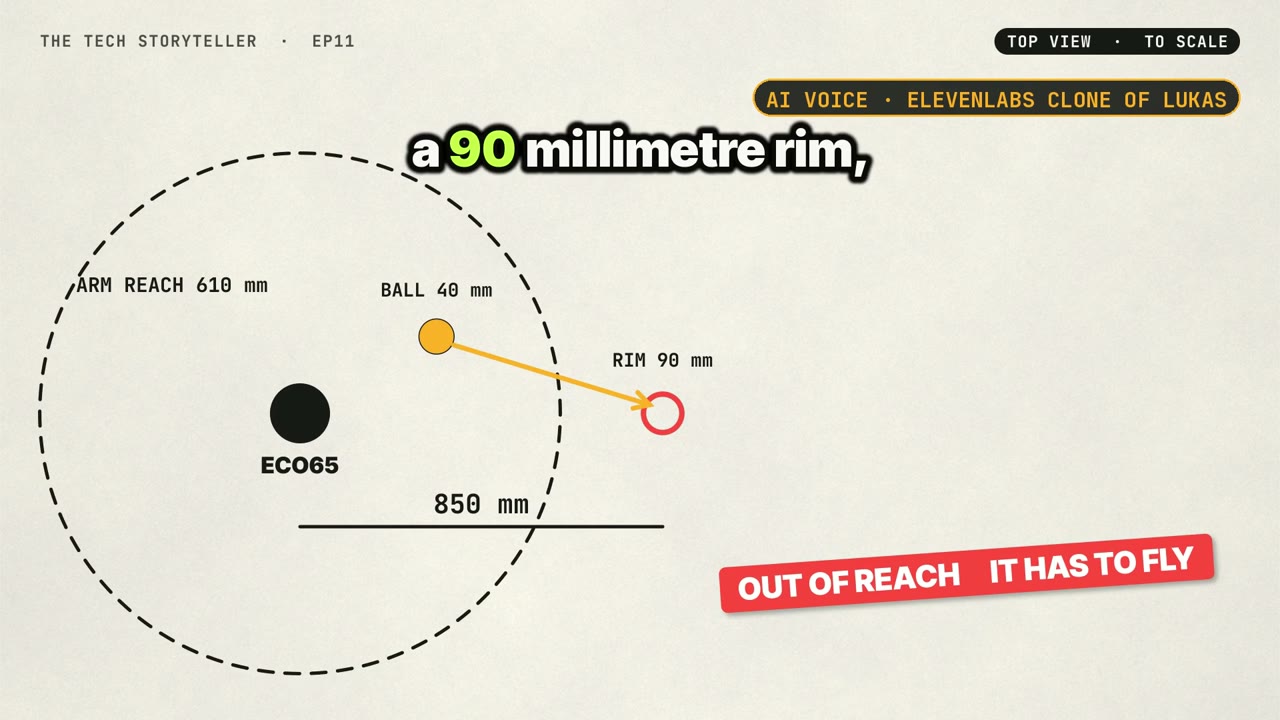
The control idea also mattered. I wanted to explore what happens when a model can write the code needed to carry out the task, rather than only choose from a few predefined waypoints. Its observations still had boundaries: Gemini saw the cameras and LiDAR, but did not receive the ball coordinates or the hidden scoring result. The simulator could therefore provide a separate check on the model's account of what happened.
The final run contained five throws and roughly 26 minutes of thinking. The arm made four baskets. That was already better than my guess. Then I compared Gemini's verdict with the simulator's score and found the more interesting result: it had called one made basket a miss.
Getting a movement right and recognising its outcome turned into two different engineering problems. A successful action did not guarantee a reliable report about that action. For a robot that must decide whether to retry, stop or continue, that distinction belongs inside the feedback loop.
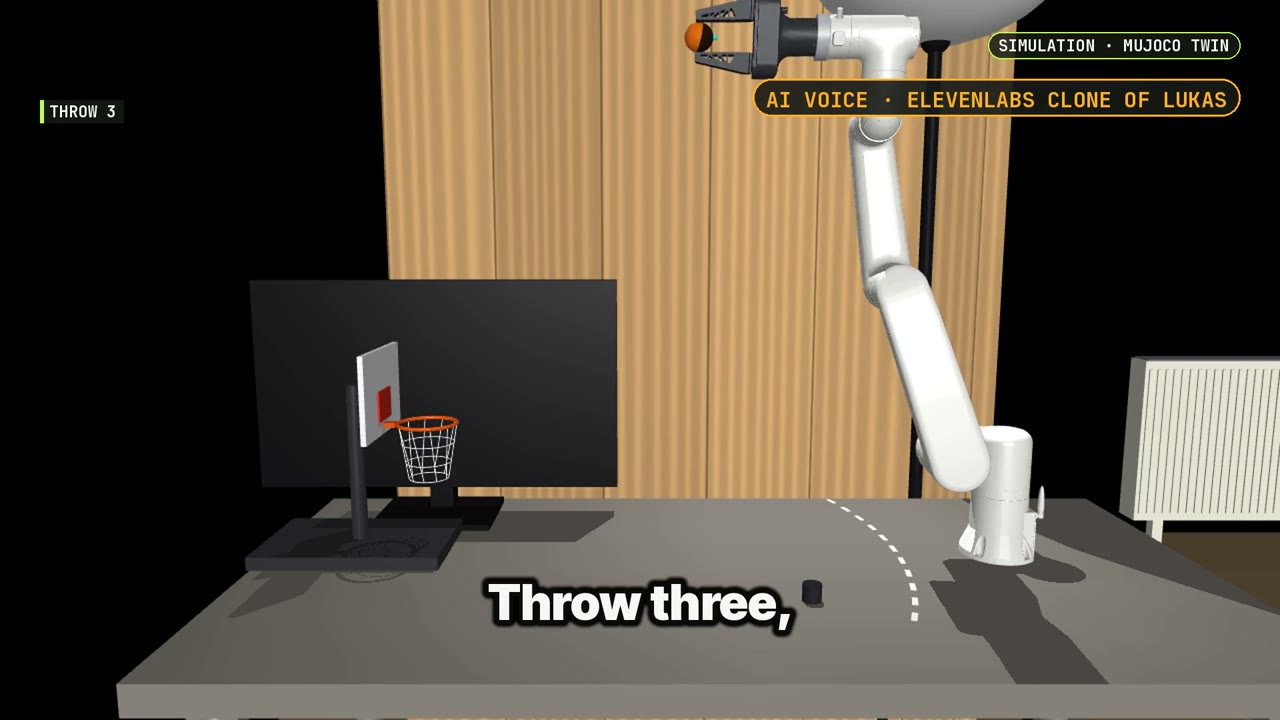
This is still a small simulation experiment in one fixed setup. The real ECO65 has not performed these throws, and five attempts do not establish a general robotics capability. The useful outcome is narrower: a code-writing model found actions that worked in this scene, while its perception of the result needed an independent check. Moving to the real arm means bringing that question with us, alongside the camera, timing, gripper and physics problems that the simulator only partly represents.
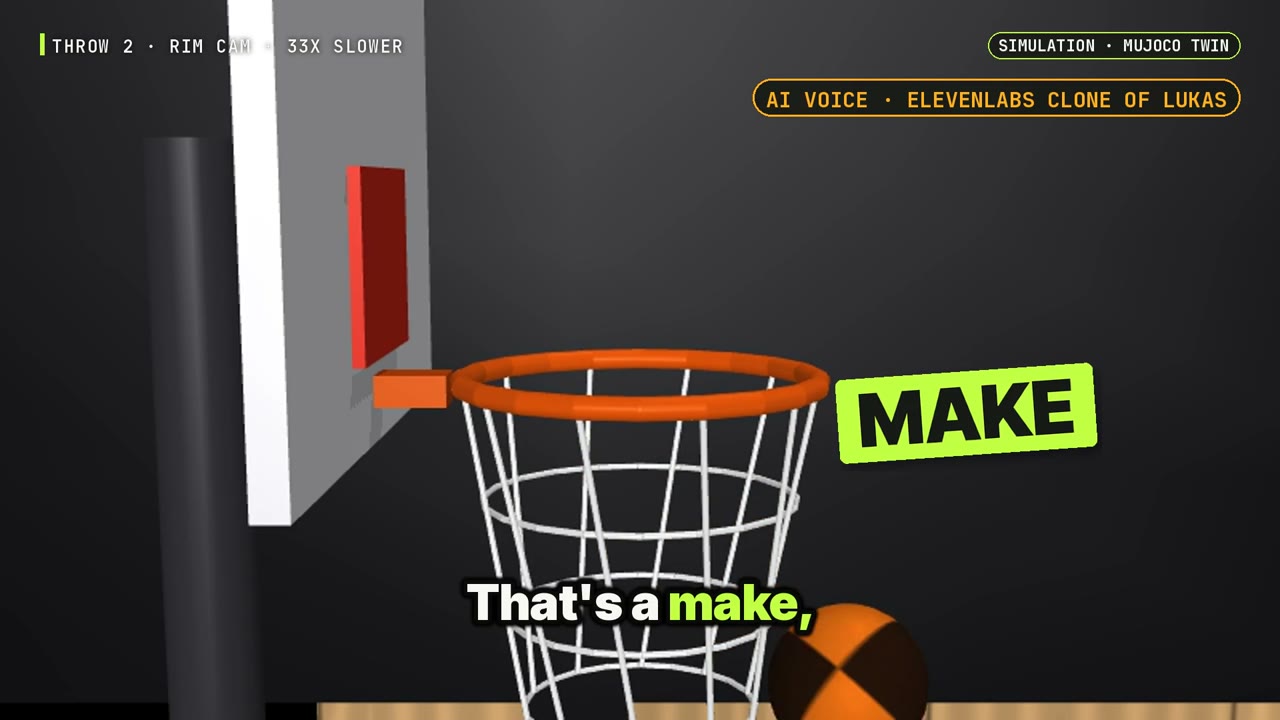
Scope of this episode: Five throws in fixed simulation, not robotics benchmark or physical test.
Based on the published episode and its production record. YouTube publication verified 22 October 2026. Stills are extracted from the released episode. Captions distinguish recorded evidence, reconstruction, simulation and illustrative material.