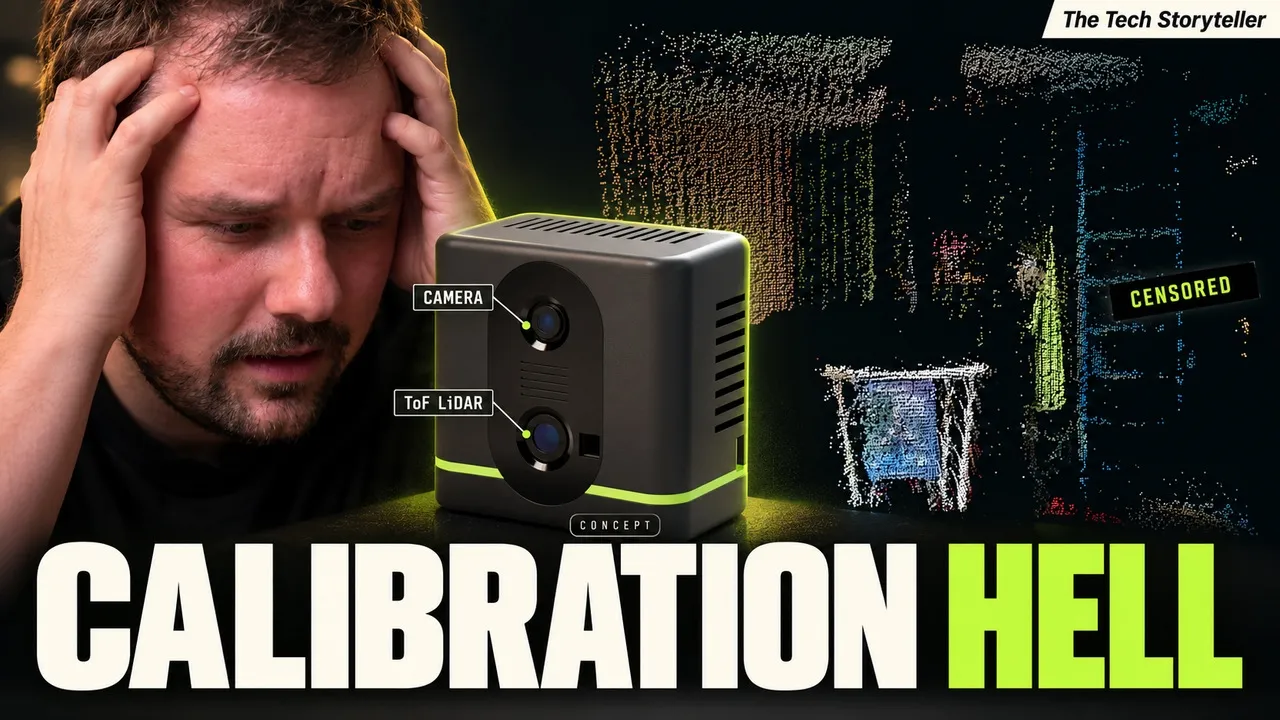
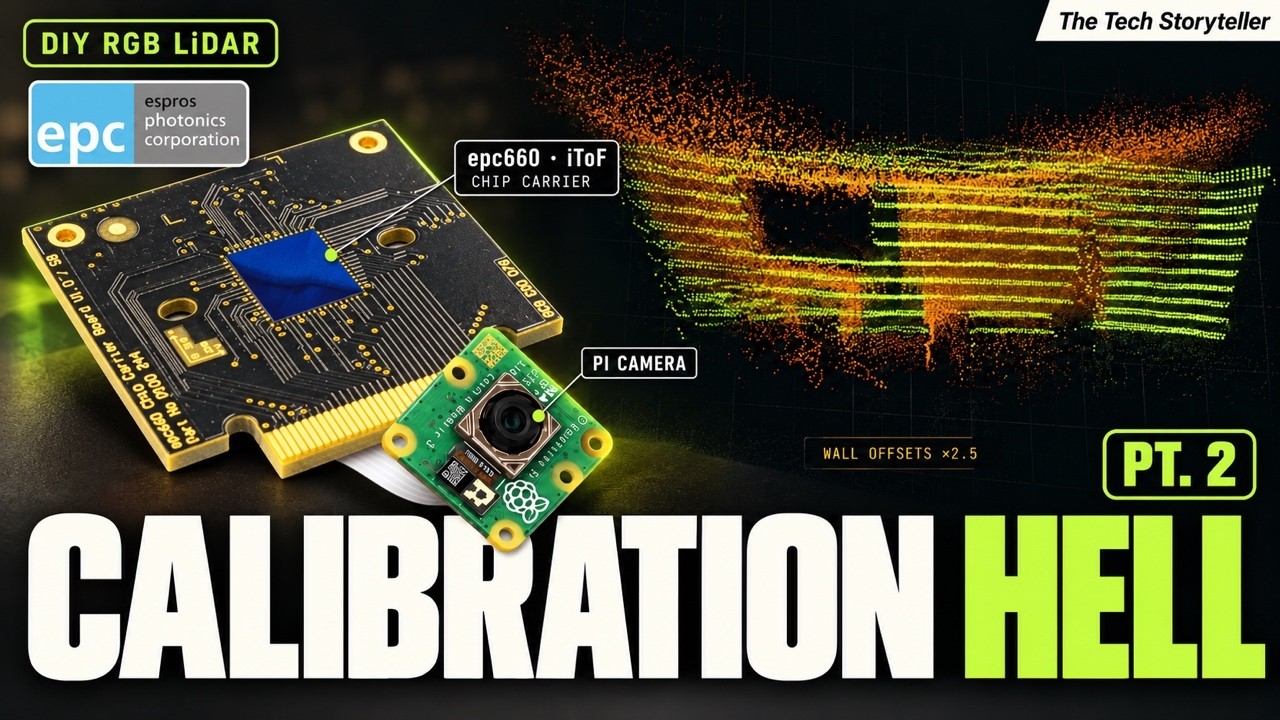
Calibration Hell Pt. 2: My RGB LiDAR Says the Wall Is Bent | Ep.15
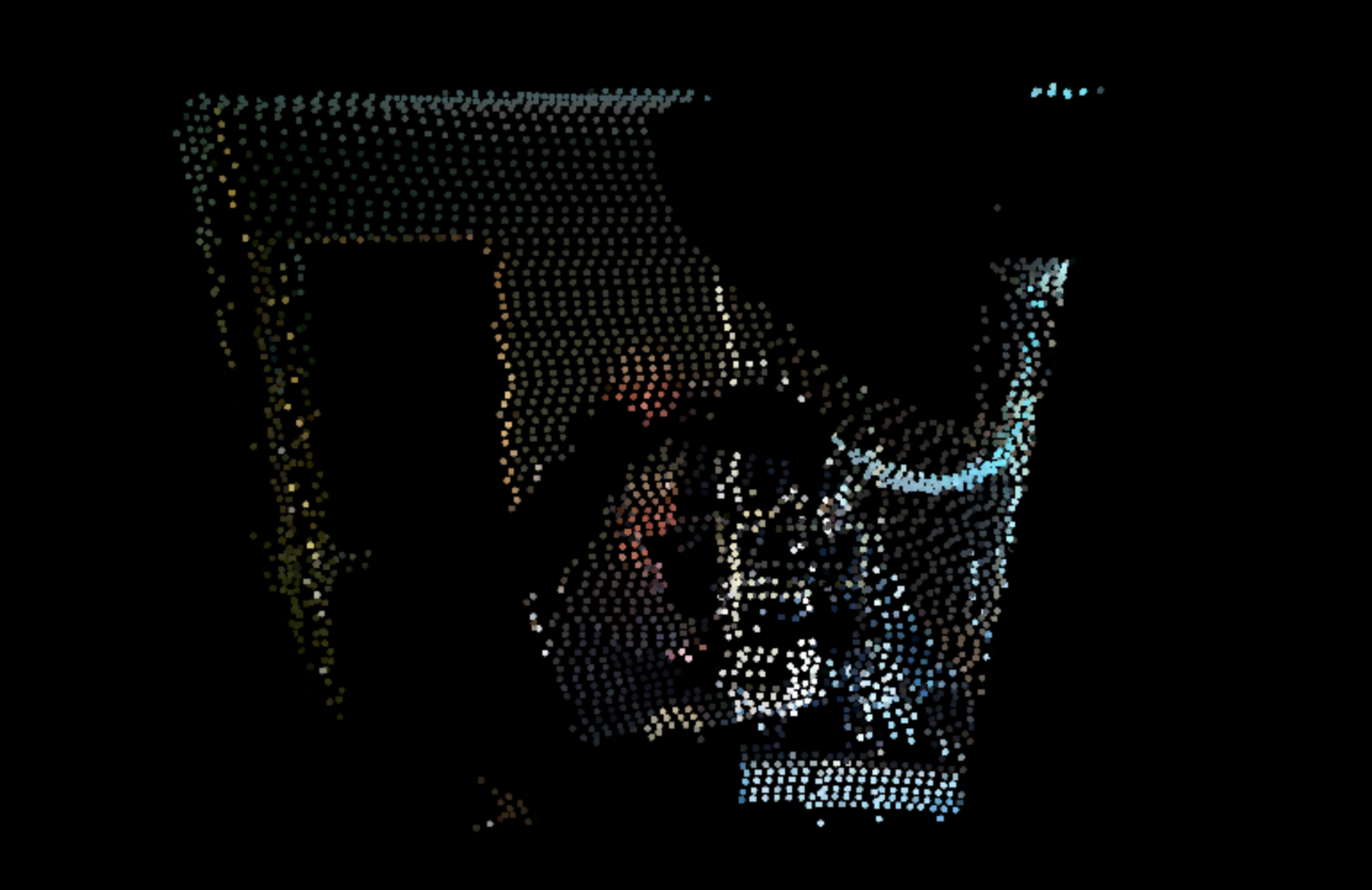
The iToF sensor reports a straight wall bowed 12–14 cm. Longer exposures reduce noise, receiver bugs are patched and multiple causes investigated, yet frequencies disagree by 22 cm. A one-wall fitted correction is local only; cyclic error and spill remain hypotheses, while TMF8829 dToF is considered for a wrist sensor.
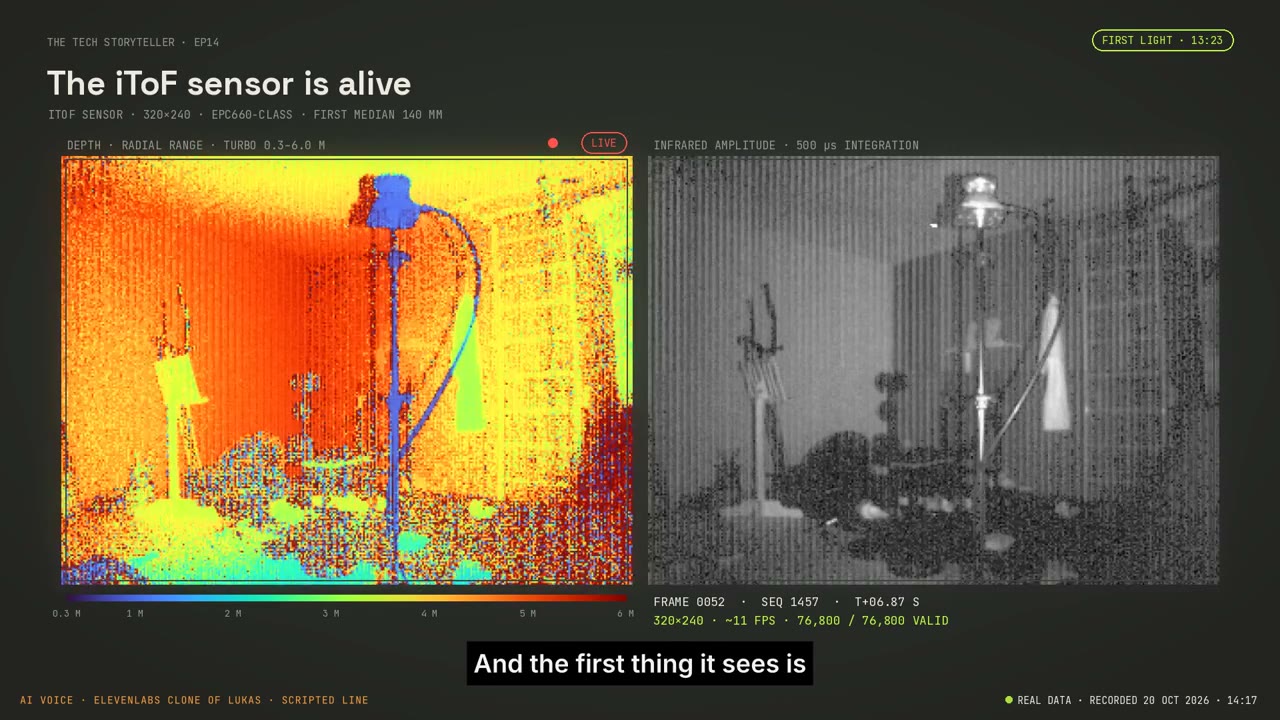
Can We Bring Up ToF LiDAR + Camera—and Calibrate Them? | Ep.14
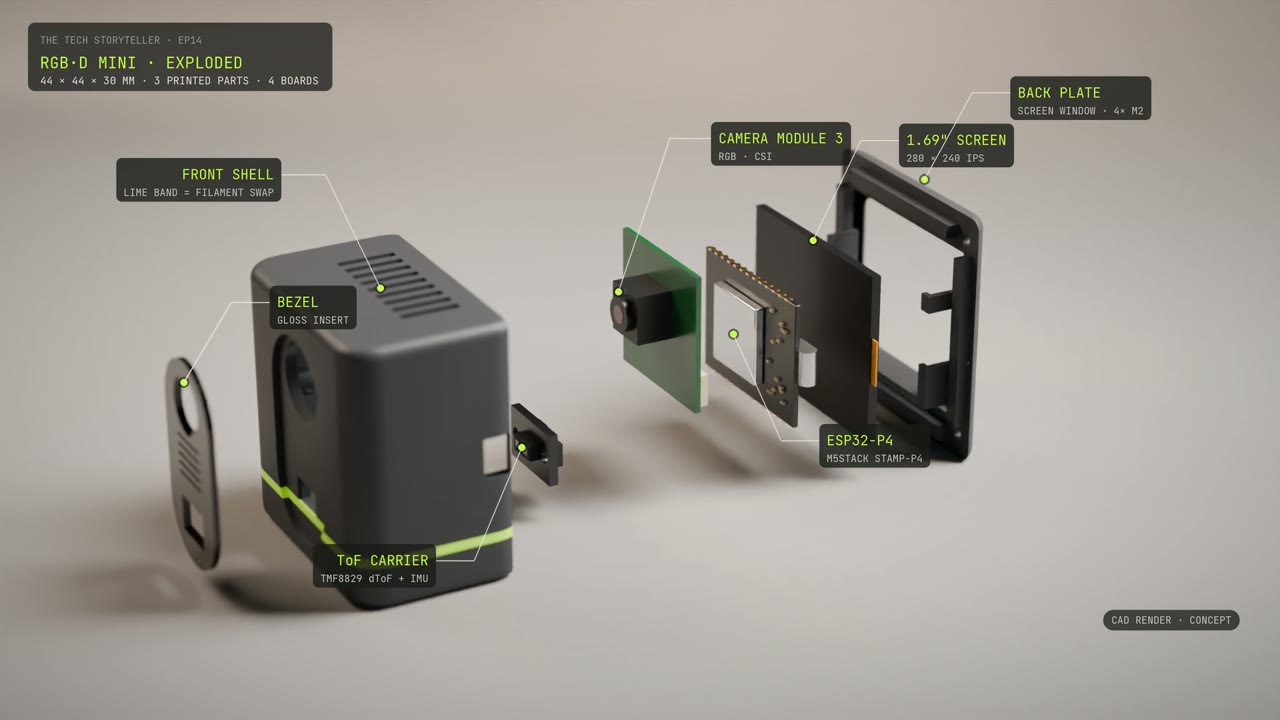
An under-$100 RGB + ToF + IMU concept is evaluated with a custom simulator, then an epc660-class engineering sample is brought up beside a Pi camera. A cable causes two hours of brown-outs. Calibration improves 12.7 to 4.56 pixels but misses the <4 px target; a 30-second map motivates a shared clock, IMU and factory calibration.
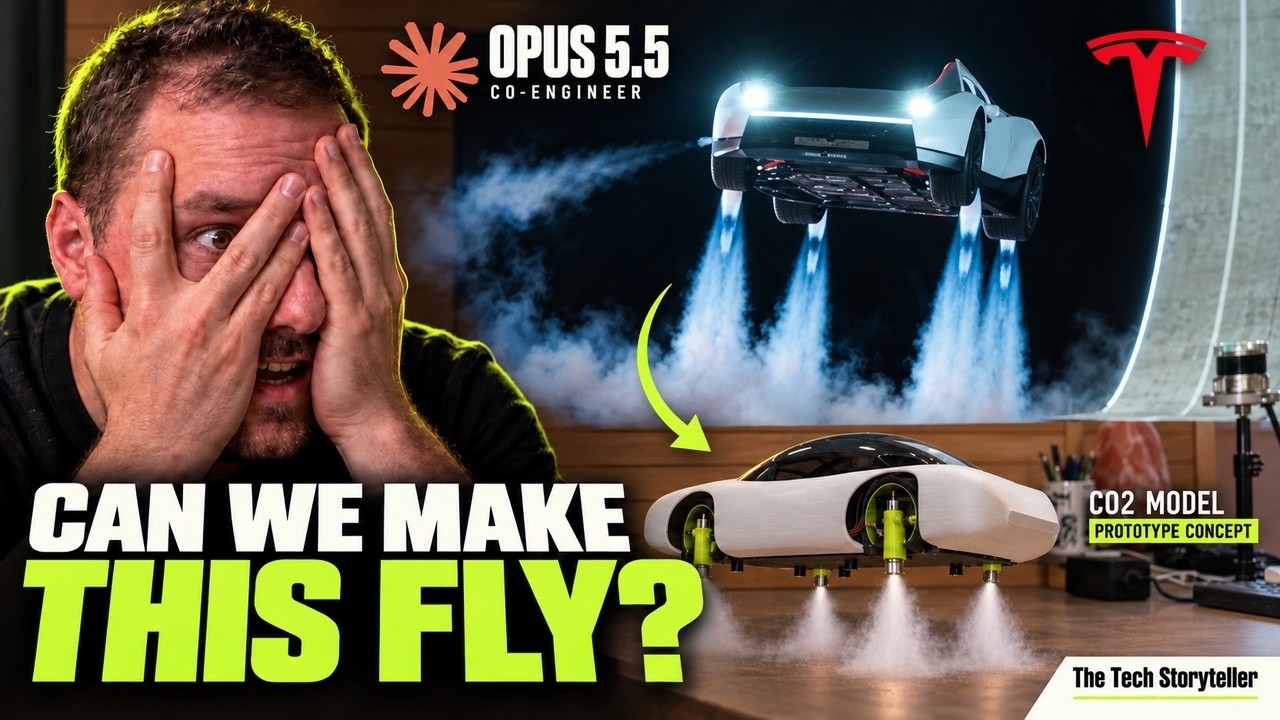
Tesla Roadster Thrusters: Can We Make a Flying Car Model?
A 52 cm Roadster-inspired CO2-thruster concept moves from CAD to simulation. Ideal hover gives way to gas-flow limits, valve restrictions, cooling and real component mass. Seven-second hover is an ideal simulation result, with no physical gas test performed.
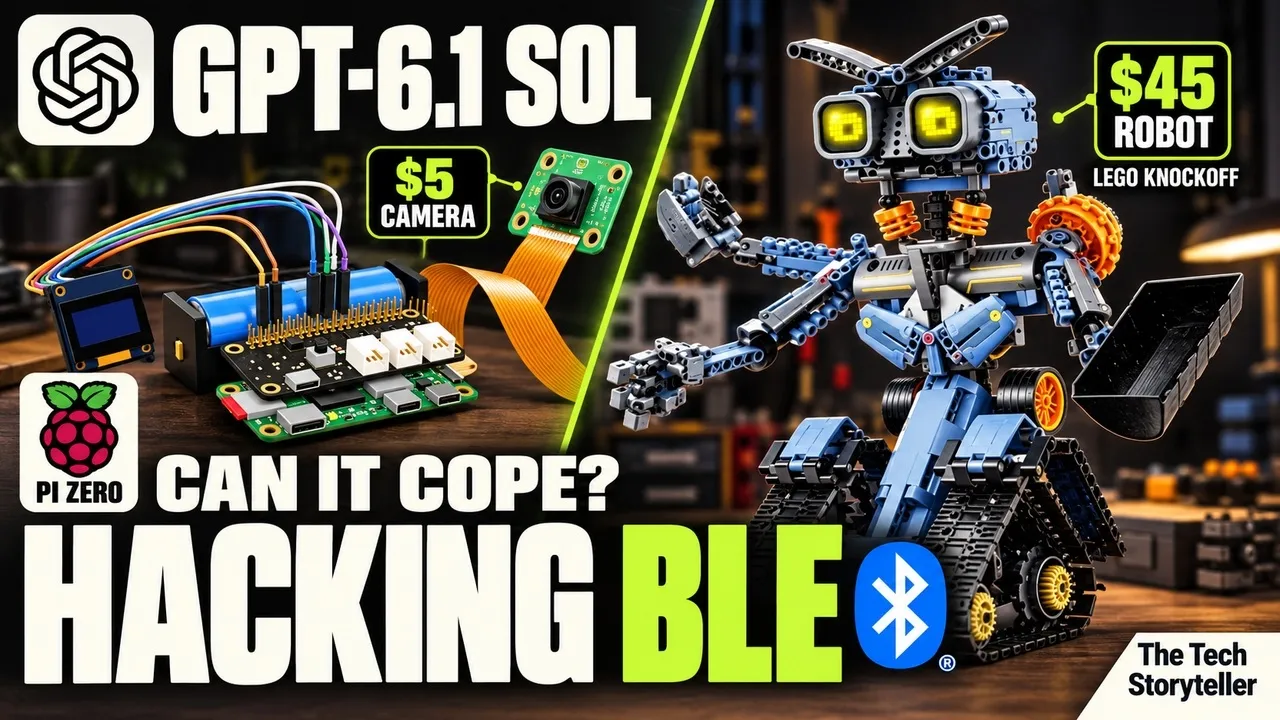
Can GPT-6.1 SOL Hack a $45 Robot's Bluetooth? | Ep. 12
A Pi Zero 2 W takes control of a toy robot over Bluetooth. Twenty-one SDK tests pass without movement; captured app traffic leads to packet timing fixes, a restart and roughly four seconds of neutral initialization. The physical sequence works but mismatched wheels make forward spin; autonomy remains future work.
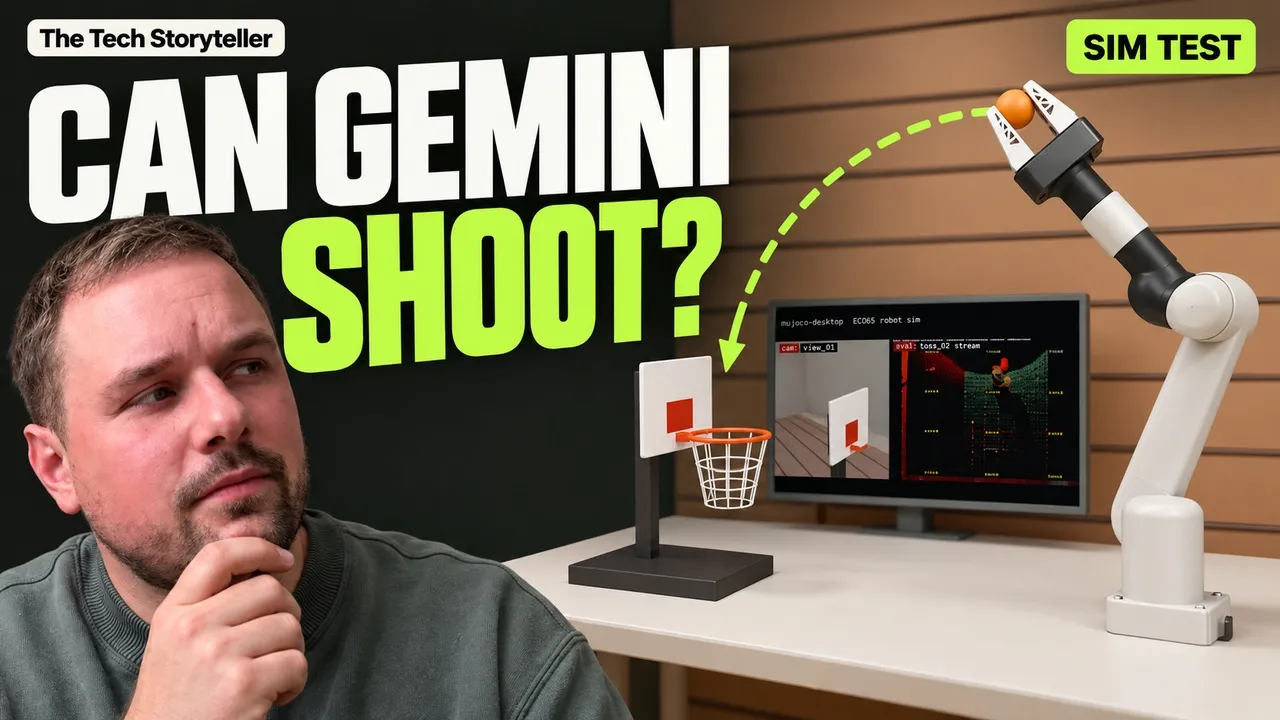
Can Gemini Shoot? I Gave It a Robot Arm in My Desk Twin | Ep. 11
Gemini gets cameras, LiDAR and code-writing access to a simulated ECO65 basketball setup. After fixing the desk, physics and gripper, the final five-throw test scores four baskets, while Gemini mislabels one made shot. This is a small fixed simulation test.
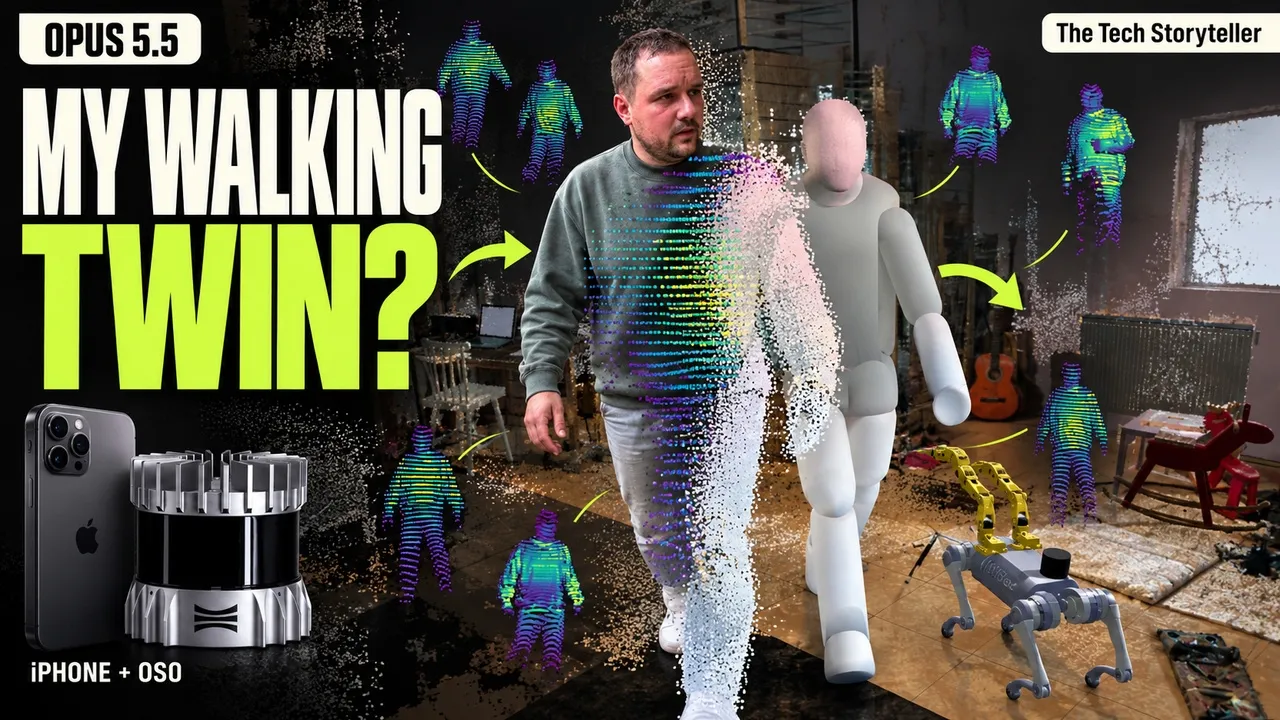
Can Opus 5.5 Finally Calibrate My iPhone + Ouster OS0?
The live OS0 is brought back online and localized in the earlier room map. Walking through the iPhone view drives three calibration iterations; a convincing wall fit initially hides a wrong camera pose. Actual body point clusters become a rough avatar, with estimated intrinsics and unseen anatomy.
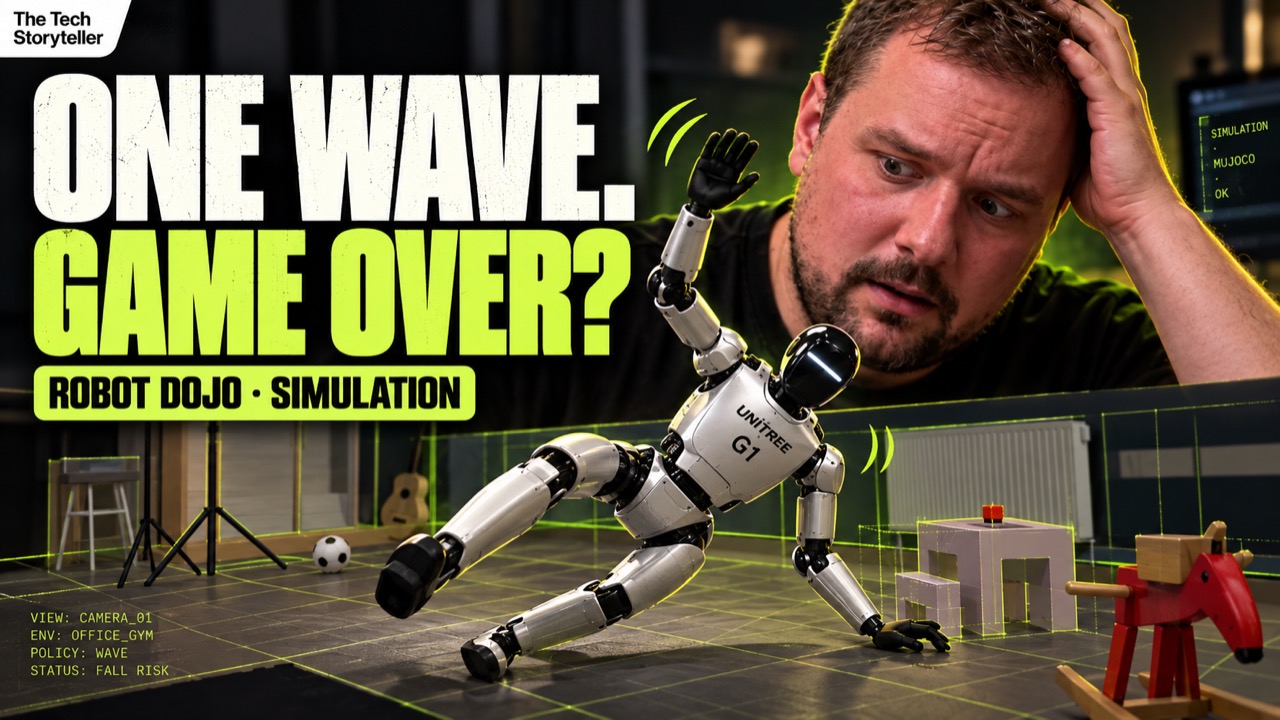
I Moved Robots Into My Office Twin. One Wave Broke the Humanoid.
The office twin receives simulated Go2 and G1 robots. Calibration, movement, scene reconstruction, lighting and grasping failures precede a humanoid fall when the arm is forced overhead. All robot results are simulation.
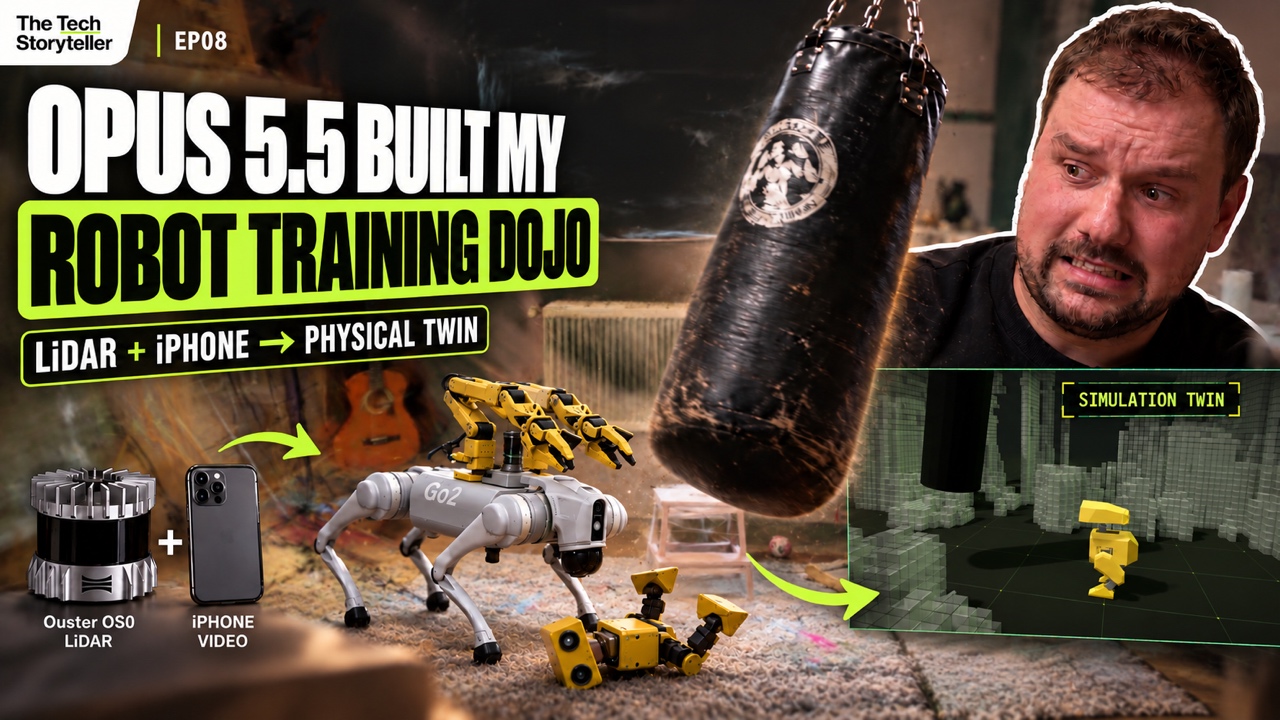
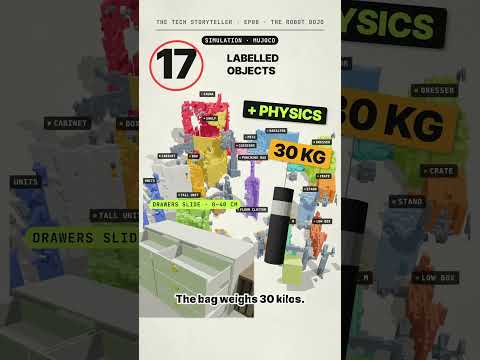
Opus 5.5 Built My Physical AI Dojo | LiDAR + iPhone → Robot Training
A real Ouster room scan and 13-second phone video become a simulated physical-AI dojo with splats, labelled objects, colliders and movable parts. Alignment and robot training infrastructure remain experimental; physical parameters are estimates.
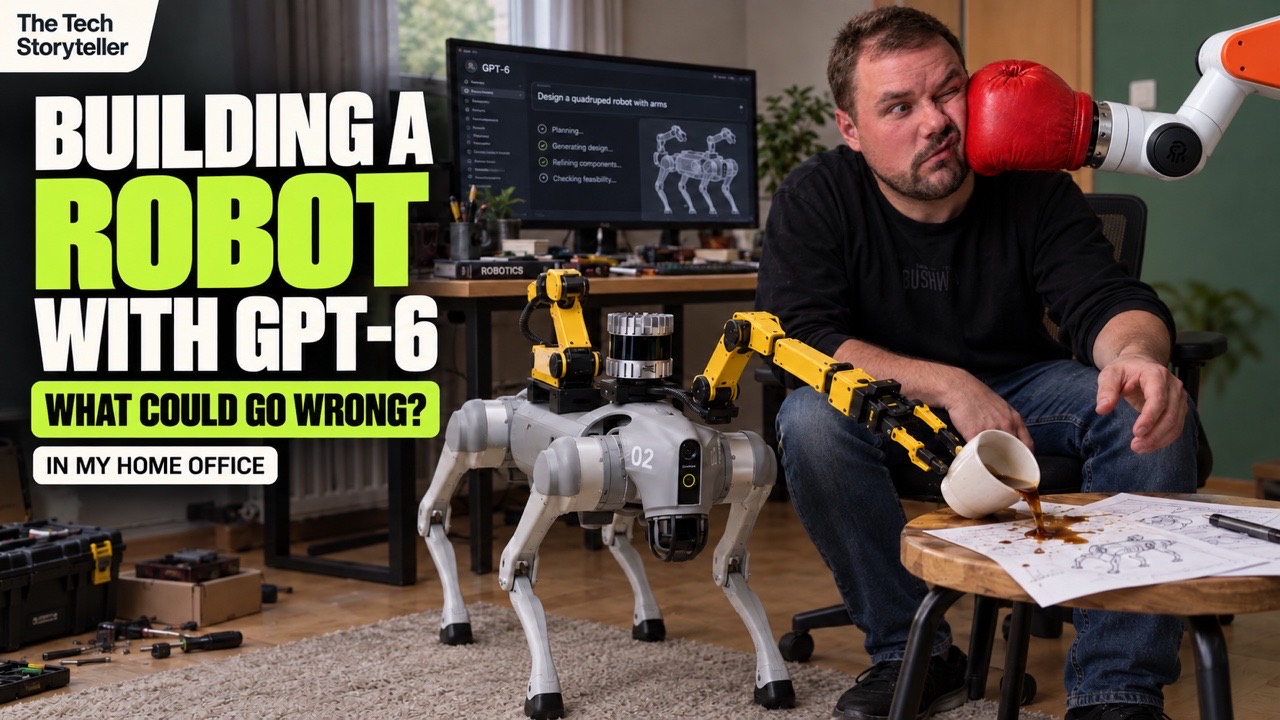
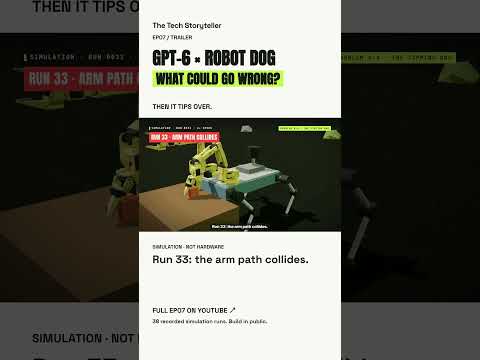
GPT-6 co-engineers a low-cost quadruped carrying two SO-101 arms. Across 38 recorded simulation runs, 19 fail; slipping blocks, vision, connection loss and tipping shape the design. A deterministic controller executes the demonstrated run.
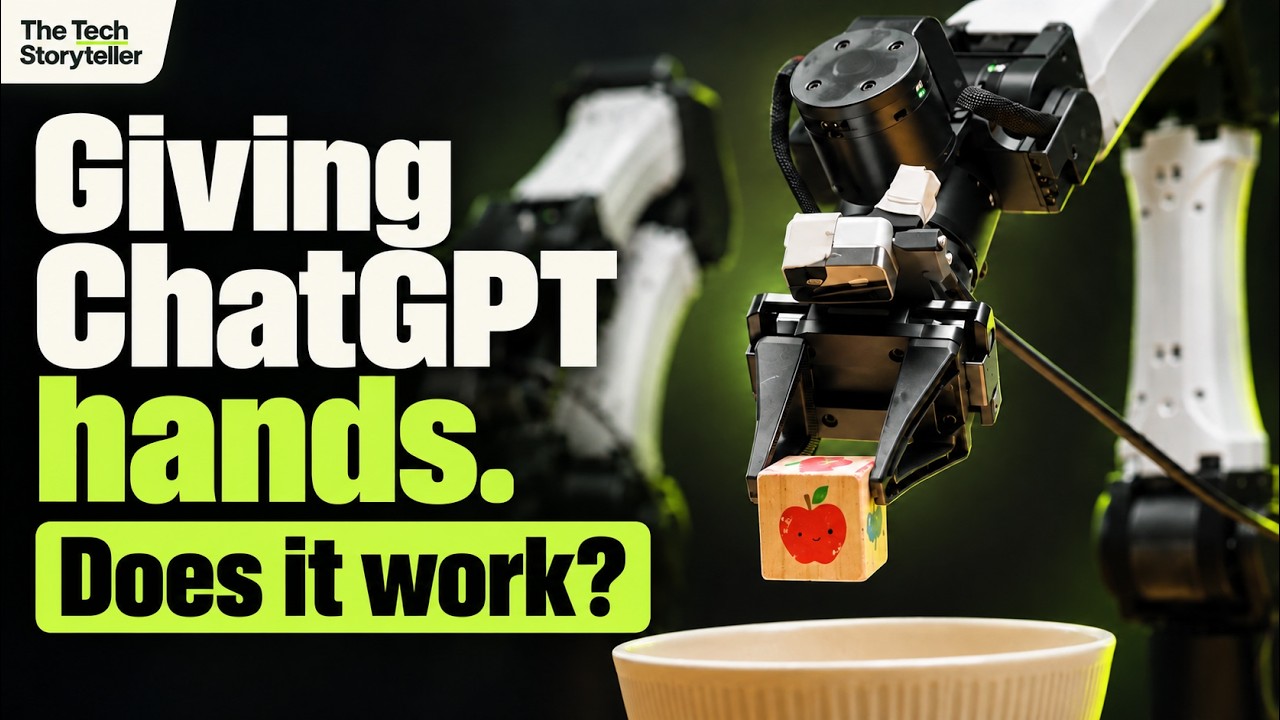
Can GPT-6 Drive a Real Robot Arm? (LiDAR + 2 Cameras)
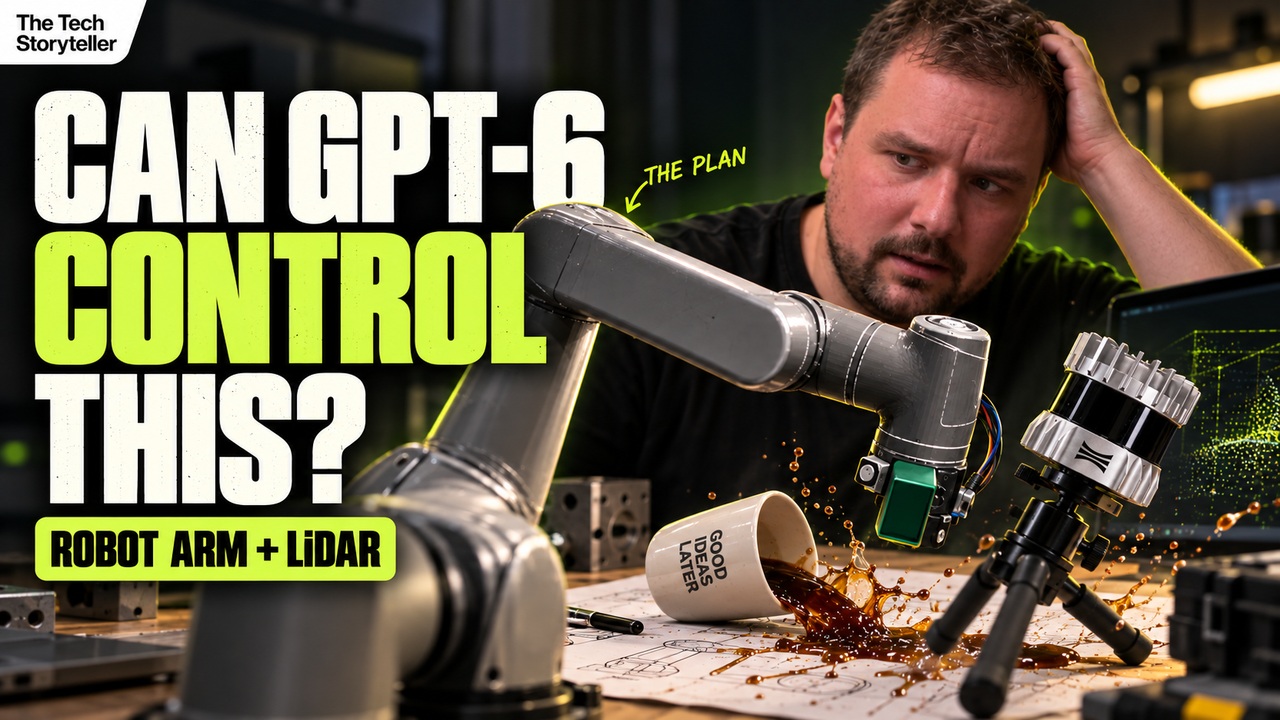
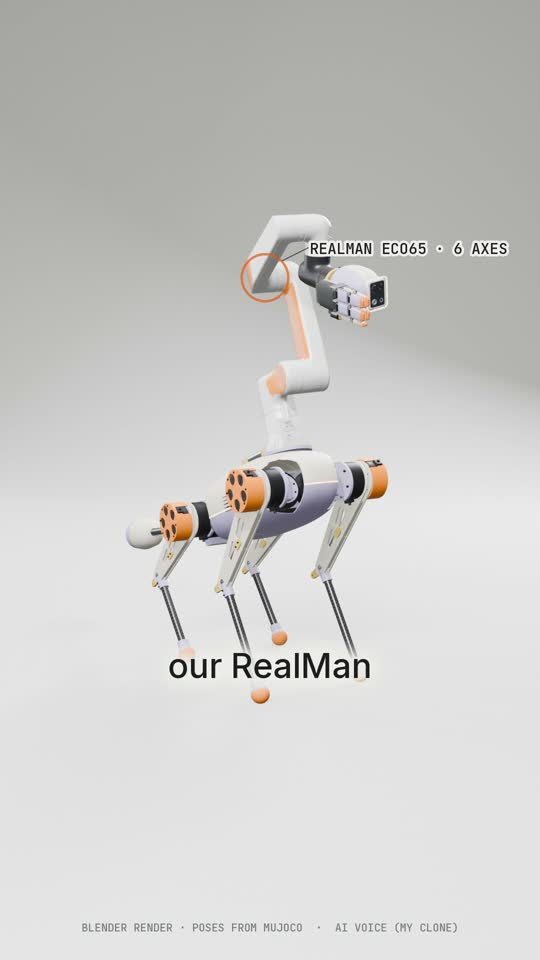
The planned RealMan ECO65 setup is explored using manufacturer CAD and robot description: cameras, LiDAR, interfaces and a target-pose control loop. The hardware has not yet arrived; all arm sequences are simulation.
I Rebuilt a Room from ONE Phone Video — No LiDAR Input | Ep. 5
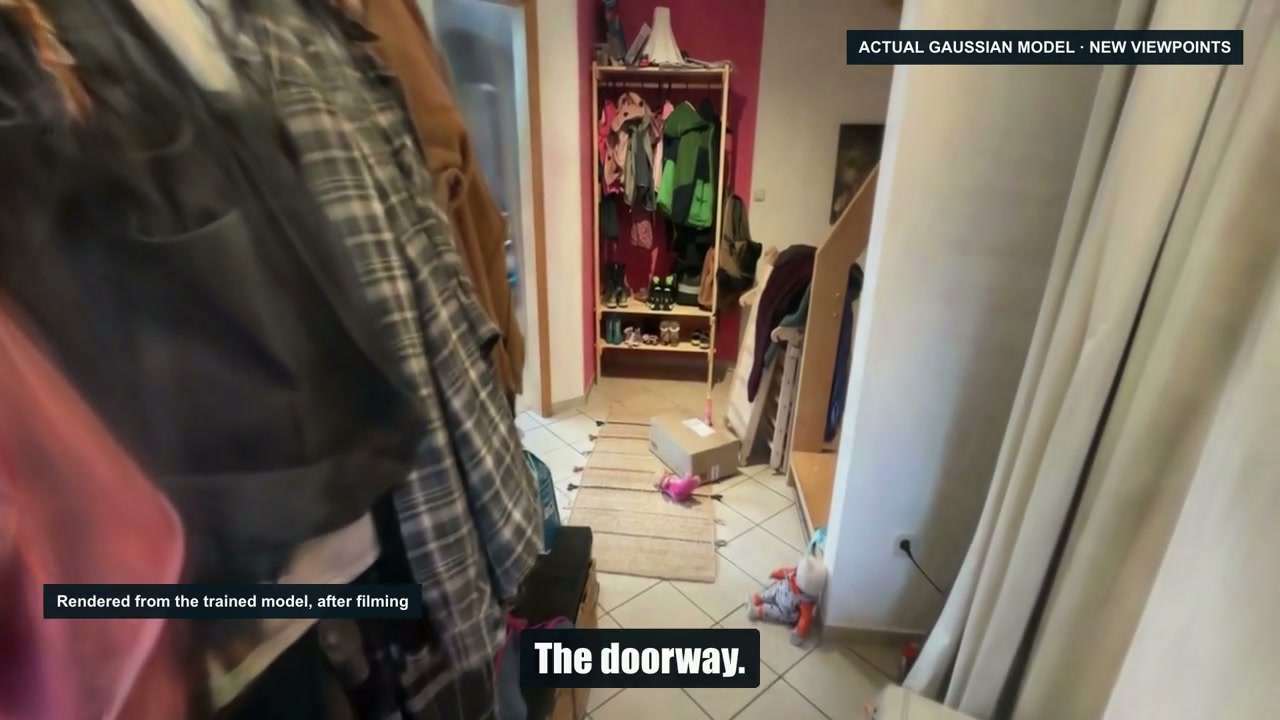
A 48.6-second phone video produces a room reconstruction without LiDAR input: 187/195 selected images align, 51,475 sparse points and 400,000 Gaussians. Appearance works, while metric scale and unseen surfaces remain unverified.
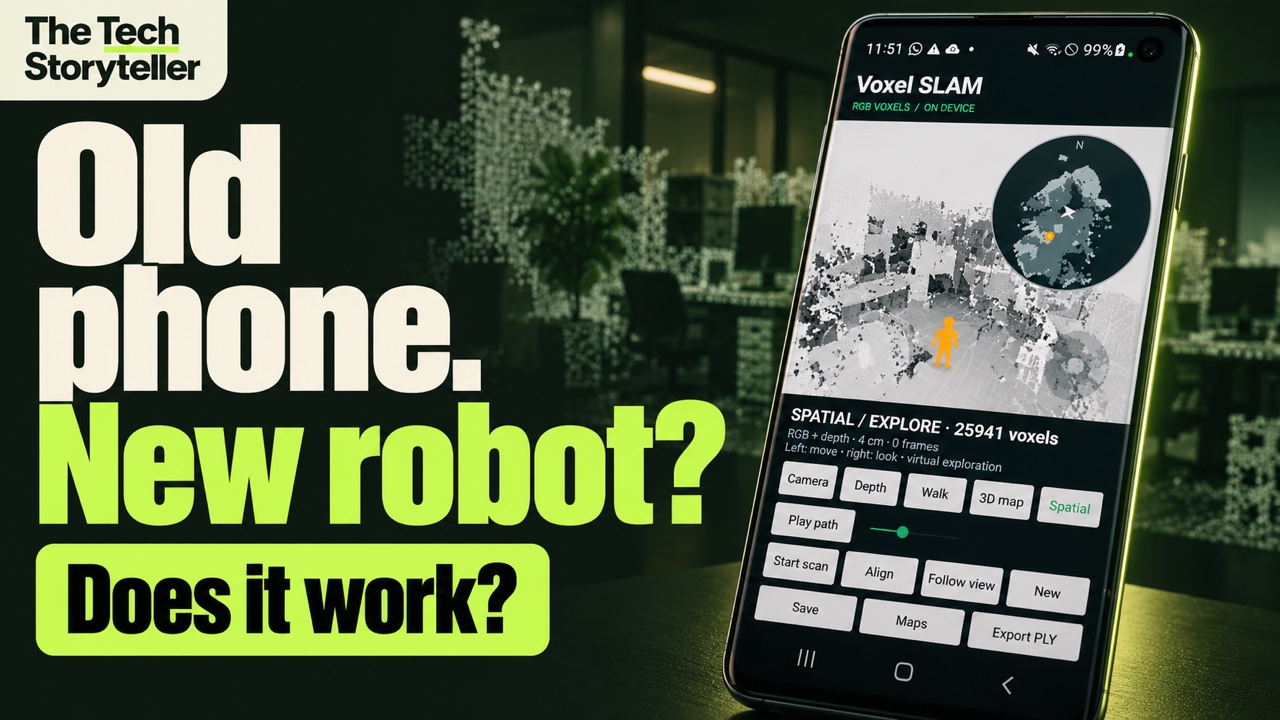
Old Samsung S10 + $2,000 LiDAR: Can This Work? | The Tech Storyteller Ep. 4
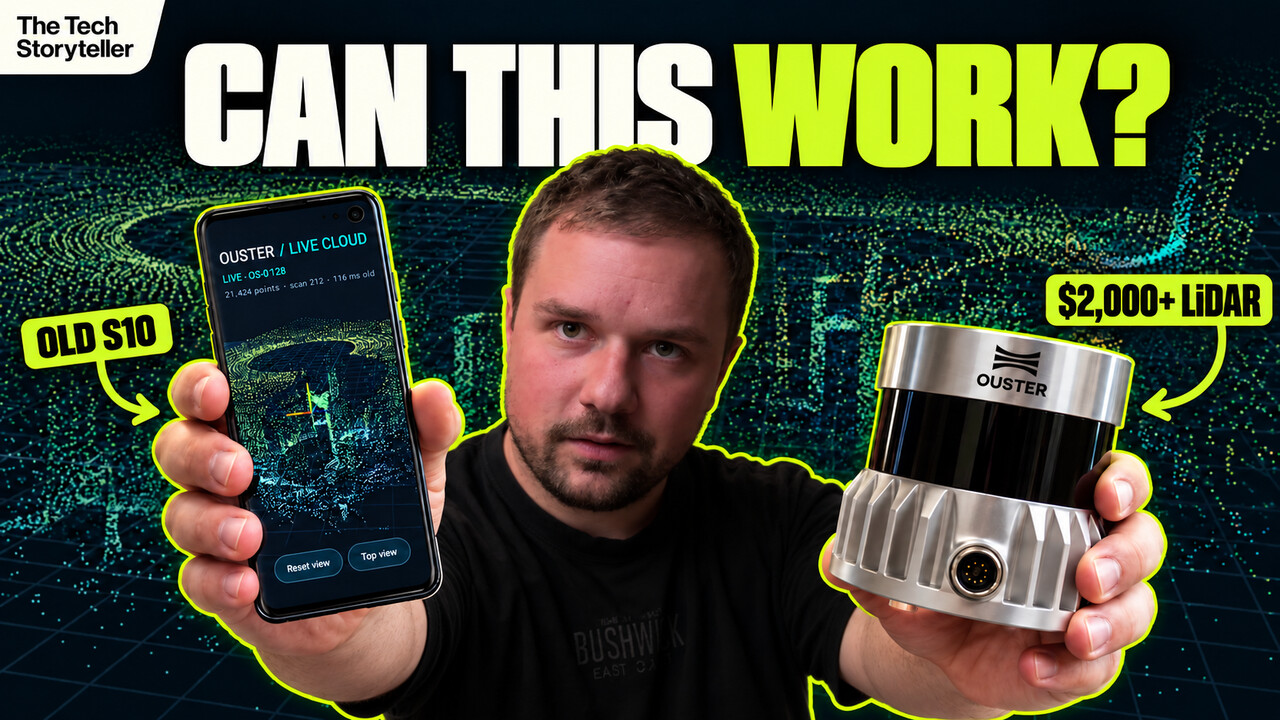
Live Ouster data reaches an old Samsung S10 through a Mac bridge. Pose jumps, IMU compatibility and a disappearing Ethernet adapter expose the gap between displaying scans and reliable mapping; phone localization is still future work.
Can GPT-6 Fix LiDAR / Camera Calibration? | The $5 Camera Experiment
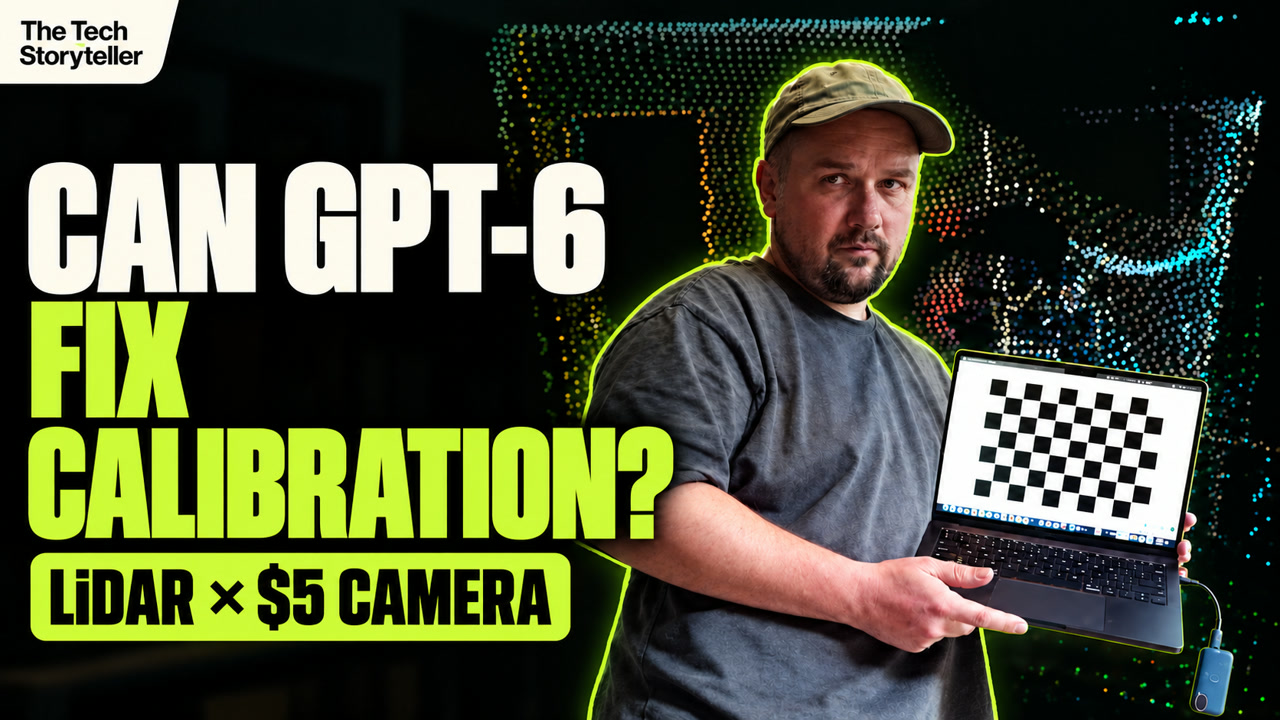
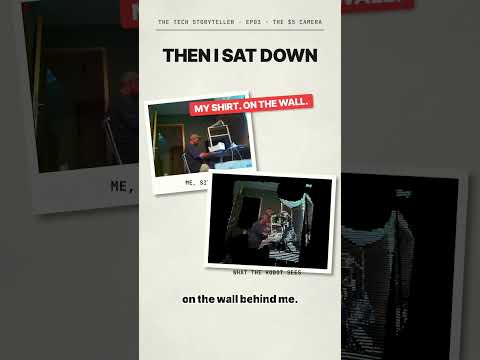
A Raspberry Pi camera and Ouster OS0 produce a coloured point-cloud experiment. Checkerboard and manual matching improve selected static boundaries from about 13.5 to 4.2 pixels, but the person ghost remains unresolved.
I Gave an Old Samsung Phone a Virtual Robot Body | Episode 2
An old Samsung S10 maps the office and gets a simulated robot body. Route replay and virtual exploration work; an attempted autonomous pickup remains unfinished.
Mechanical engineering meets general-purpose AI controlling robot arms: a commentary on a source dual-arm pick-and-place demonstration, introducing the question of what actually works.
Current walking is scripted; contact grasps are simulated. These are design films, not footage of a completed physical robot. Read the design story and limitations →
SHOW THE WORK / WATCH THE MOMENT
Real footage. Specific engineering questions.
Short excerpts from the published episodes. Each keeps the result in its original scope.
The origin Short includes commentary, third-party excerpts and AI-assisted presentation. Episode excerpts below use the original published edit.
WHAT THE FORMAT LOOKS LIKE
Engineering stories, with the evidence attached.
Independent editorial examples. These projects were not paid for by, sponsored by or affiliated with the featured manufacturers. They illustrate the format of a possible collaboration, not an existing client relationship.

 Watch on YouTube ↗