
A Pi Zero 2 W takes control of a toy robot over Bluetooth. Twenty-one SDK tests pass without movement; captured app traffic leads to packet timing fixes, a restart and roughly four seconds of neutral initialization. The physical sequence works but mismatched wheels make forward spin; autonomy remains future work.
The ambition was modest enough: make a roughly $45 building-block robot listen to a Raspberry Pi instead of its phone app. A Pi Zero 2 W and a cheap camera could become the start of a small agent-controlled machine. First, though, I needed a much simpler result. The wheels had to move.
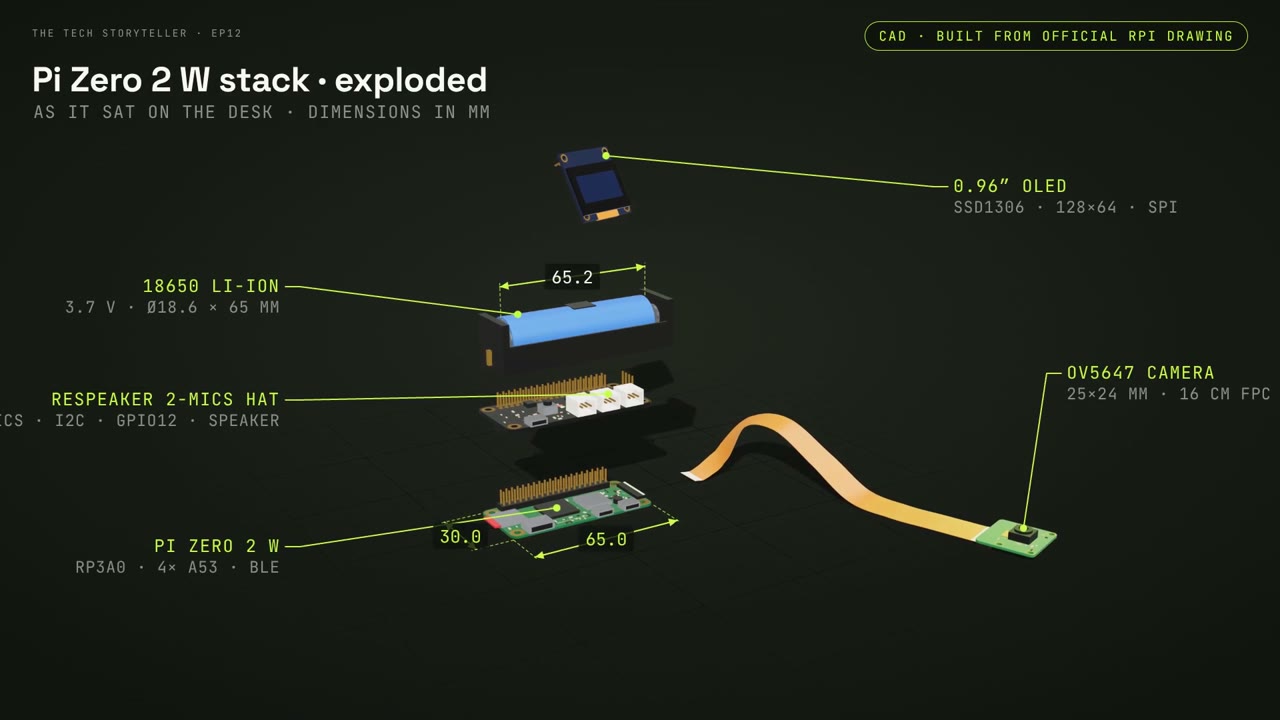
GPT-6.1 SOL found an unofficial Python SDK. We had 21 passing tests and no movement. On the first attempt I had left the robot switched off, which did not help. Switching it on did not rescue the experiment either. The tests could tell us that our code matched the expected packets; they could not tell us that the hardware would respond to the conversation we were actually sending.
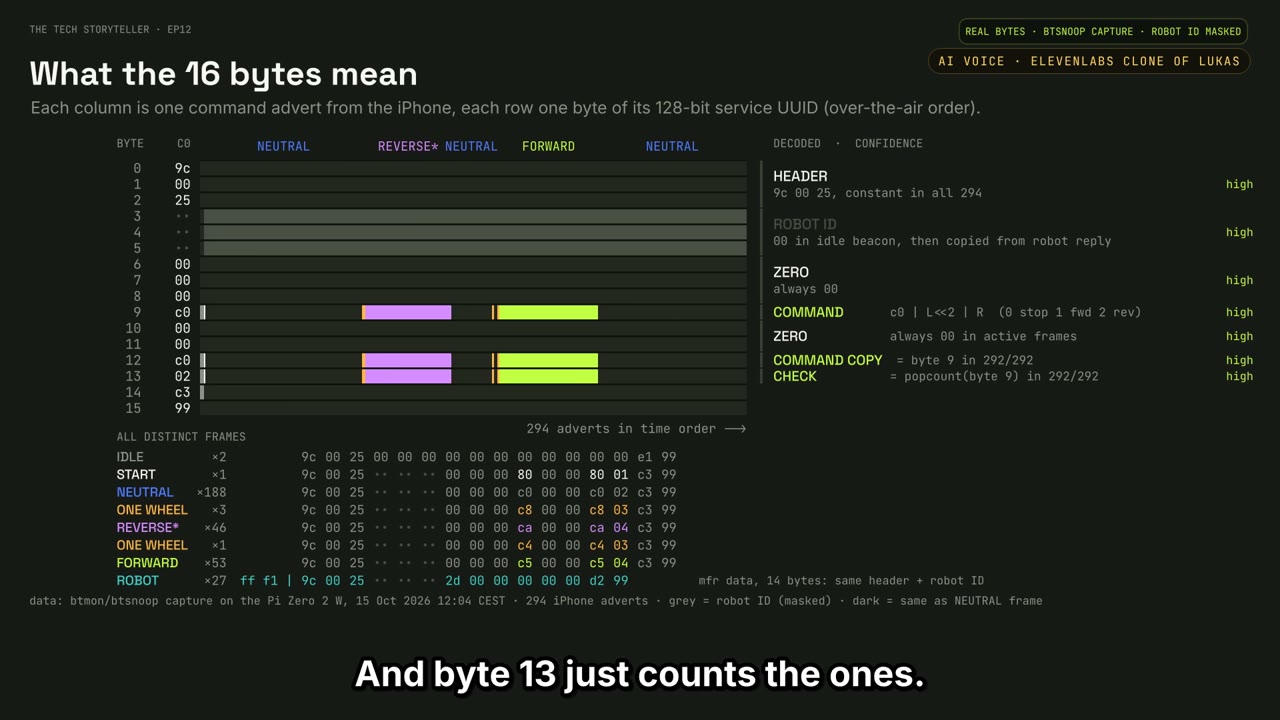
So we listened to the phone app. Its Bluetooth traffic showed repeated neutral packets before a drive command. That changed the problem from sending an isolated instruction to reproducing the sequence and timing around it. The episode follows the packet decoding, the advertising-timing fix, the robot restart and the separate drive phase.
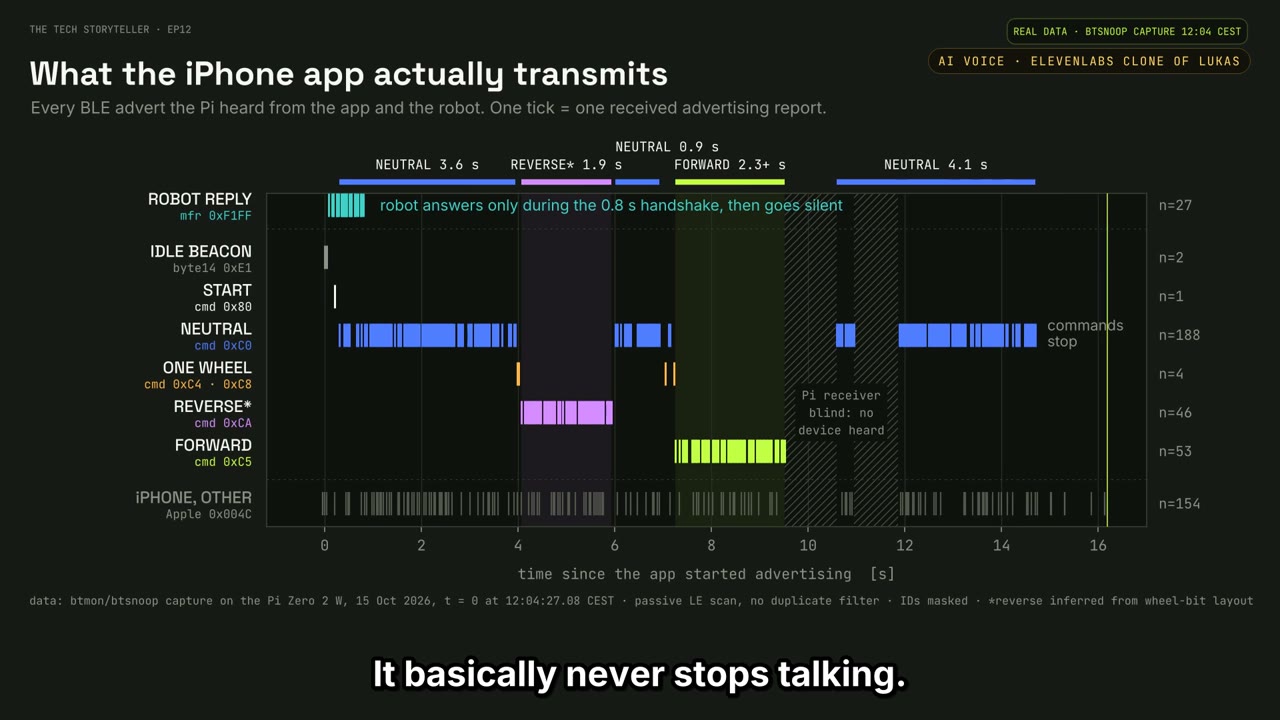
The practical sequence that finally moved the robot included holding neutral for about four seconds before trying to drive. I want to keep that sequence intact in the story. Several things changed during debugging; shortening a timing interval alone is not an established explanation for the success. The real device was the check that mattered.
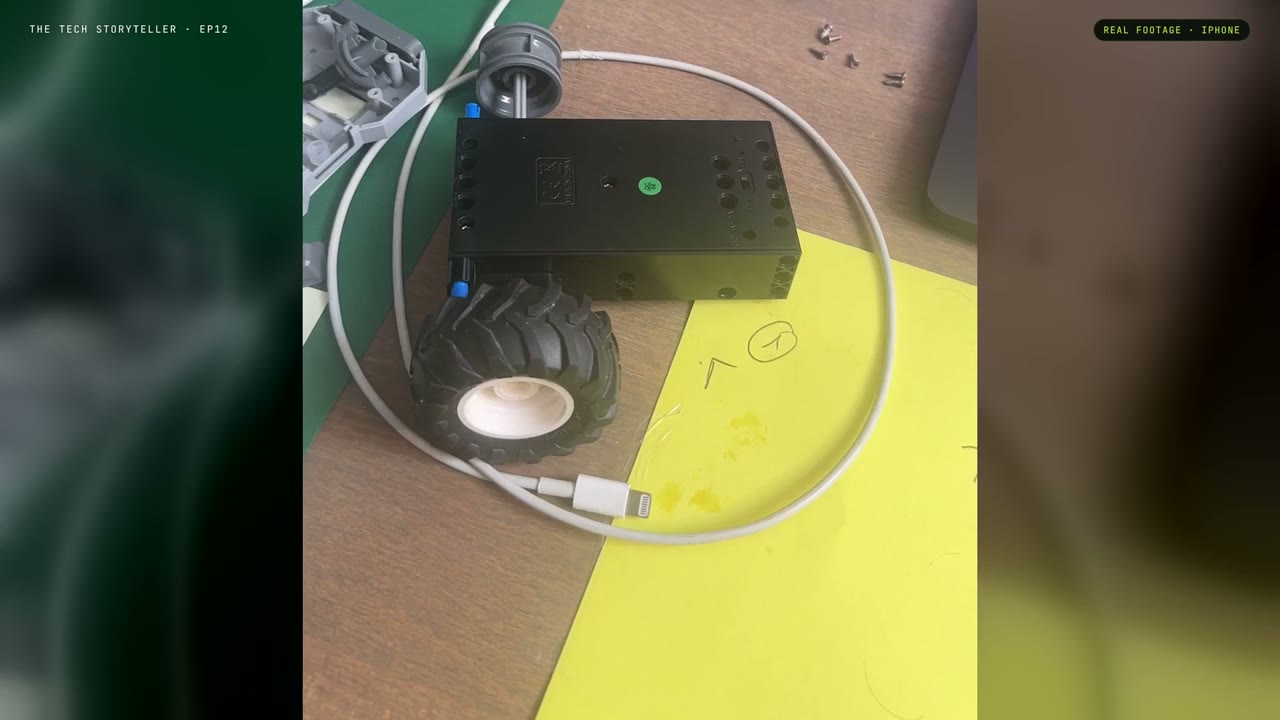
And then it spun. One wheel had a tyre, and the other was a bare rim. Sending forward to that arrangement was never going to produce the neat straight-line motion I had in mind. We measured the resulting behaviour and replayed it in the dojo twin, giving the simulation something real and awkward to explain.
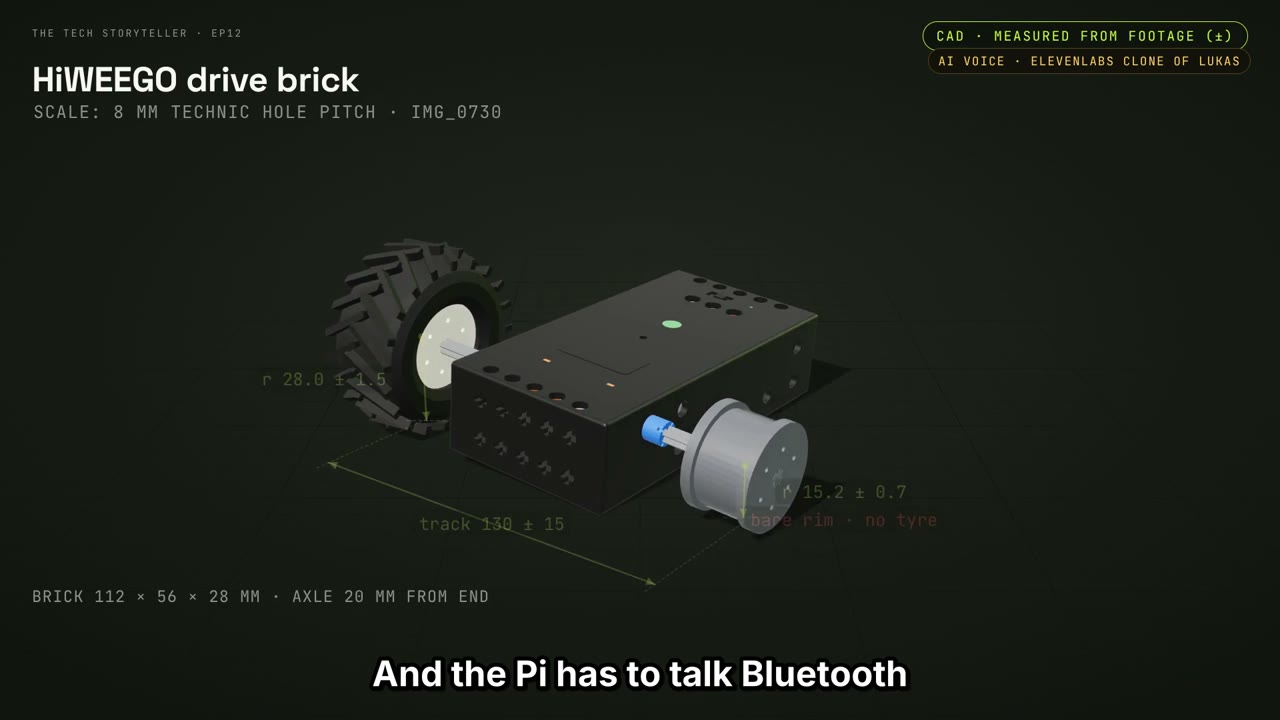
The outcome is a physical robot executing a fixed command sequence from the Pi. The camera and Pi still stay on the desk in this episode. There is no autonomous driving and no closed agent feedback loop yet. Mounting the electronics and letting observations influence the next command are separate steps.
That is why this small build matters to me. It connects the digital experiments to hardware that can refuse perfectly reasonable code. Passing tests, understanding packets, producing motion and closing a feedback loop are different milestones. This time we reached motion, with a lopsided little spin to show for it.
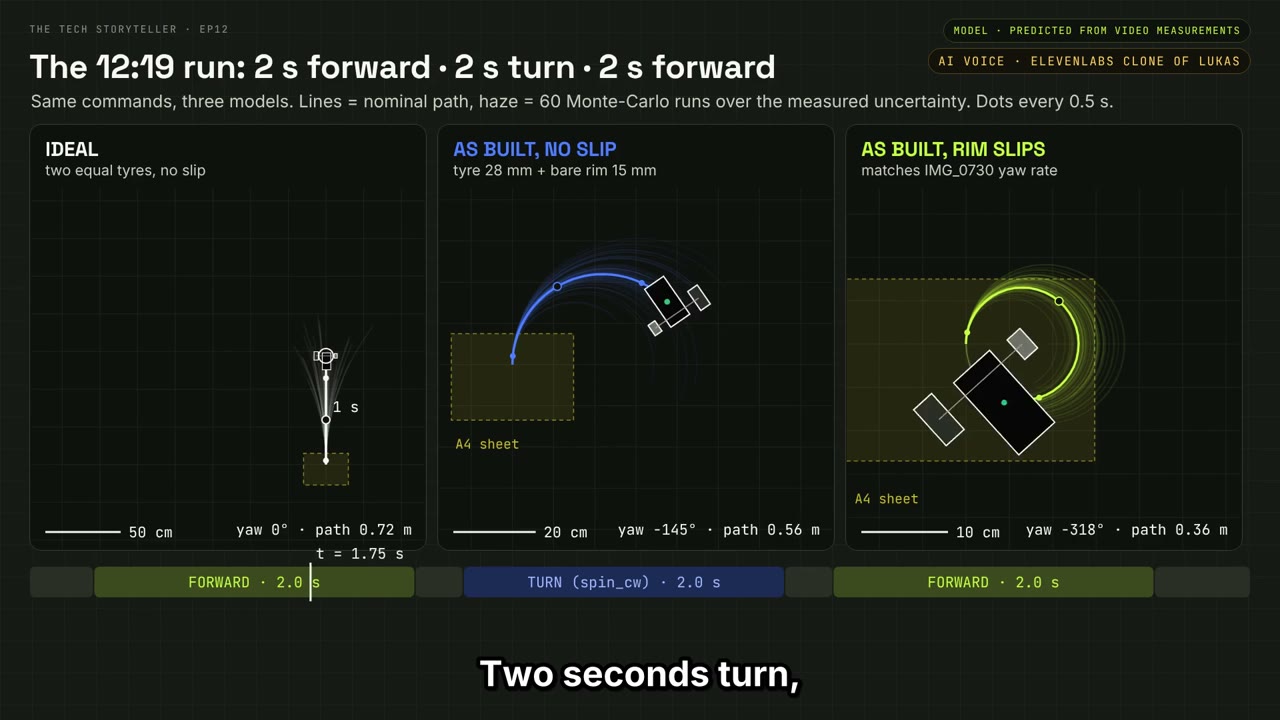
Scope of this episode: Fixed sequence, not autonomous driving; Pi and camera stay on desk.
Based on the published episode and its production record. YouTube publication verified 22 October 2026. Stills are extracted from the released episode. Captions distinguish recorded evidence, reconstruction, simulation and illustrative material.