EP05 → EP08
Capture becomes a world.
Phone-video appearance and LiDAR geometry supply different layers. Colliders and physical properties need additional work.
 Book a call ↗
PHONE VIDEO + LIDAR / INDEPENDENT WORKFLOW
Independent editorial examples. These projects were not paid for by, sponsored by or affiliated with the featured manufacturers. They illustrate the format of a possible collaboration, not an existing client relationship.
Phone footage becomes a reconstruction, LiDAR adds a geometric reference, and robot experiments expose what the room model still gets wrong. Follow the workflow from Episode 5 through the office robots, live alignment and basketball test.
EP05 → EP08
Phone-video appearance and LiDAR geometry supply different layers. Colliders and physical properties need additional work.
EP09 → EP10
Robots expose contact and balance problems; moving the real sensors exposes alignment and timing assumptions.
EP11 / THE DESK TEST
The basketball task needs a corrected desk and gripper, then an independent score to check the agent’s interpretation.
CROSS-EPISODE FIELD NOTES · UPDATED 22 OCTOBER 2026
I wanted an environment where I could try robot ideas without rebuilding the scene for every experiment. Across these episodes, the office changed from something to look at into something a simulated robot could act on. Each step introduced a different definition of “working”.
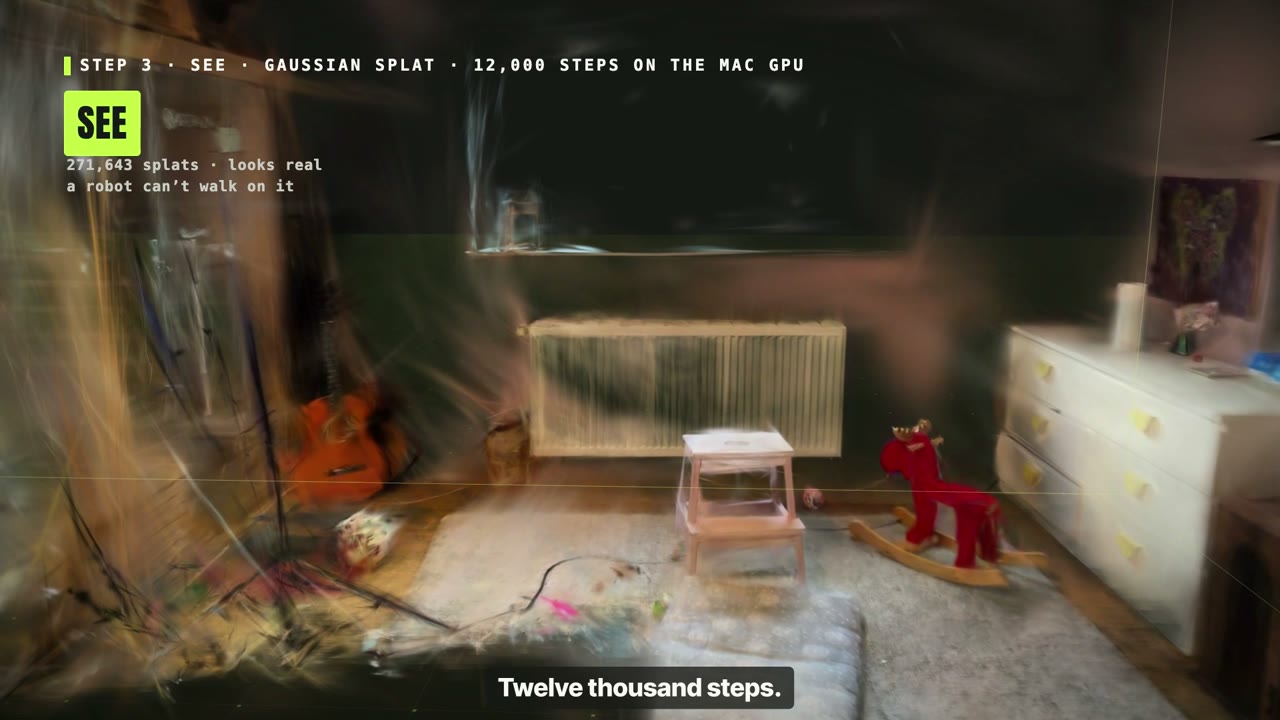
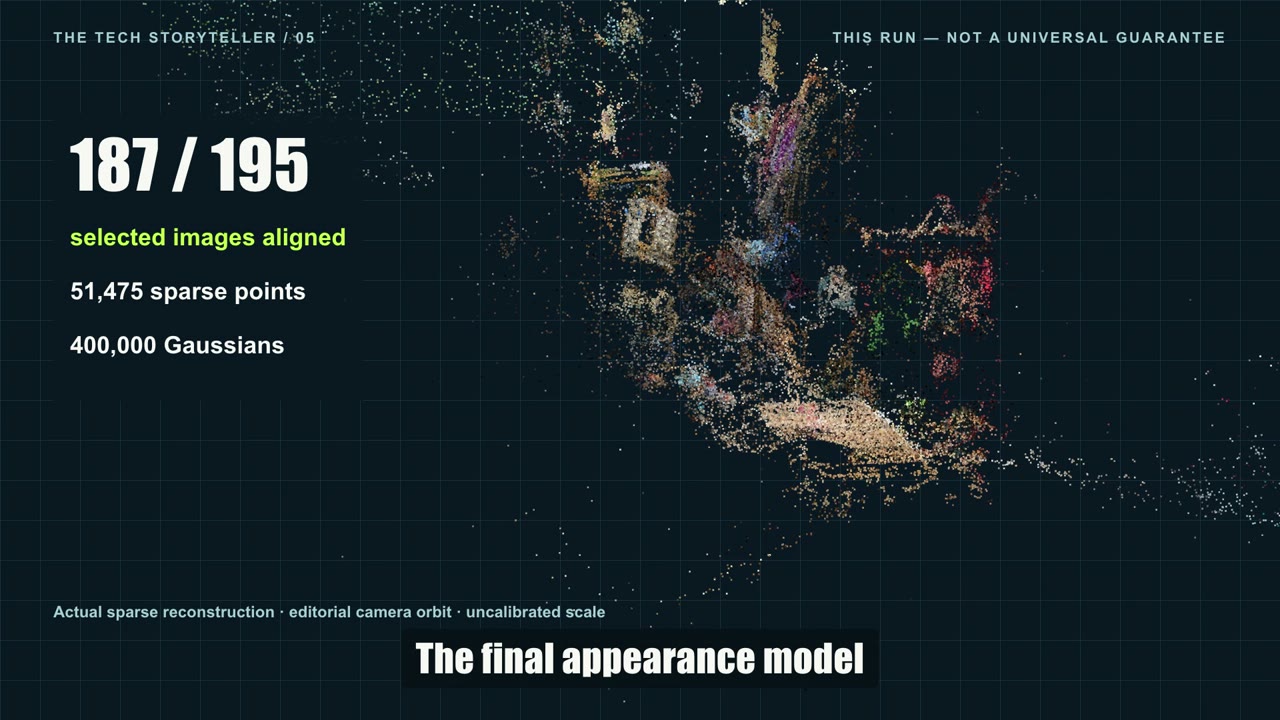
Episode 5 began with 48.6 seconds of phone footage and no LiDAR input to the reconstruction. The selected process aligned 187 of 195 images, produced 51,475 sparse points and trained 400,000 Gaussians. Those are different outputs: sparse points describe the reconstruction’s structure; the Gaussians reproduce its appearance.
The short capture was not the total processing time. More importantly, a good-looking camera tour did not validate metric scale or surfaces the phone never saw. It gave us a visual model to inspect, with clear limits on what could be measured from it.
Episode 8 combined a static Ouster scan with a 13-second phone video. The scan and video were recorded four days apart. LiDAR supplied a geometric reference; video supplied appearance. Alignment had to connect those observations before the scene could become an office twin.
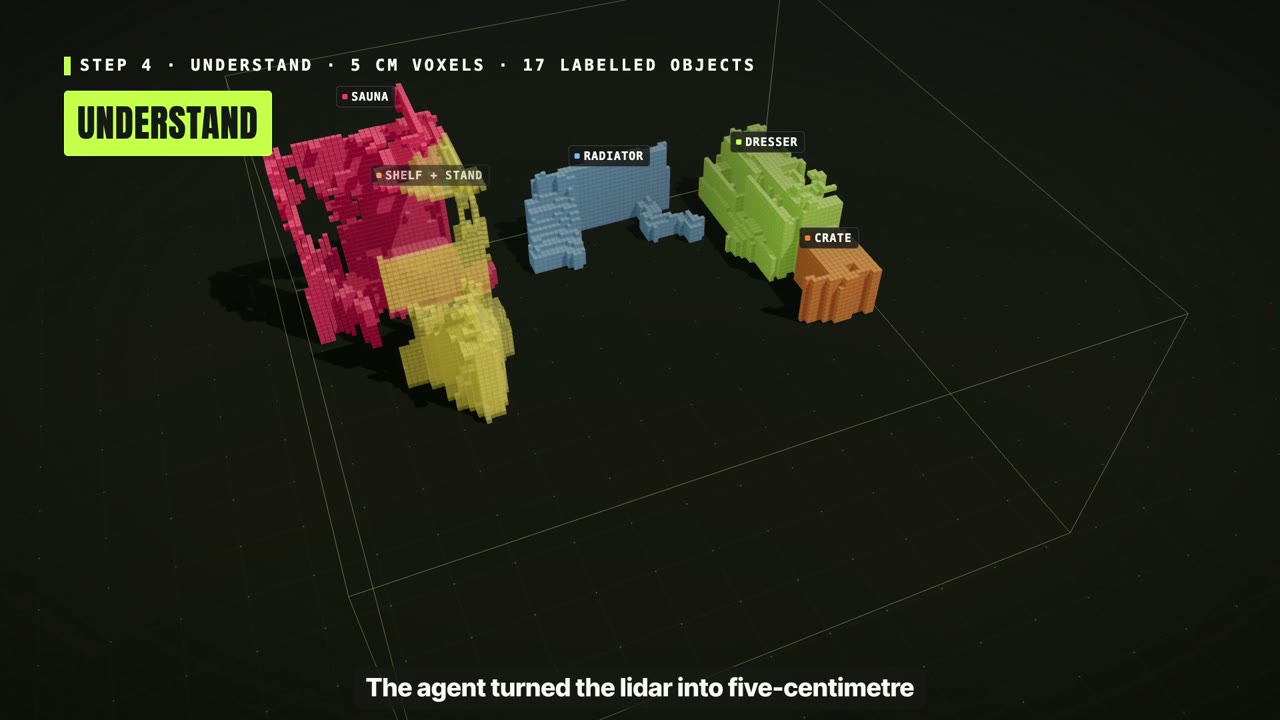
Labelled objects, colliders and movable parts made the environment useful for interaction. Their masses and physical parameters were estimates. This is why a splat, a collision surface and a dynamic object should not be treated as interchangeable just because they occupy the same place in a viewer.
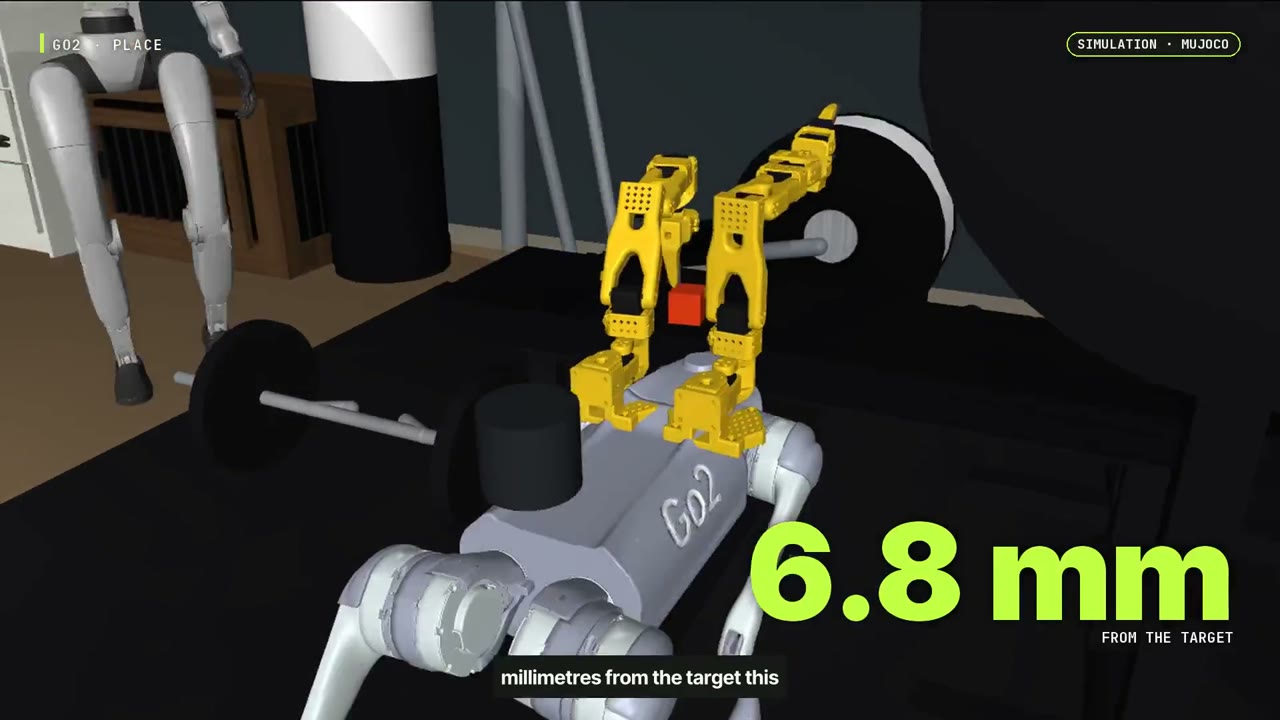
In Episode 9, simulated Go2 and G1 robots brought alignment, locomotion, lighting and grasping into the same scene. A gripper closing on air made the gap between visual appearance and usable contact geometry concrete. Forcing the humanoid’s arm overhead exposed a balance failure that walking alone had not settled.
These were robot-side simulations. The released G1 fall and fallen-robot drag were reconstructed with an open velocity policy and model, rather than recovered as footage of the original run. Robot-to-robot collisions were disabled. The failures still identify useful checks, but the edit does not establish physical transfer.
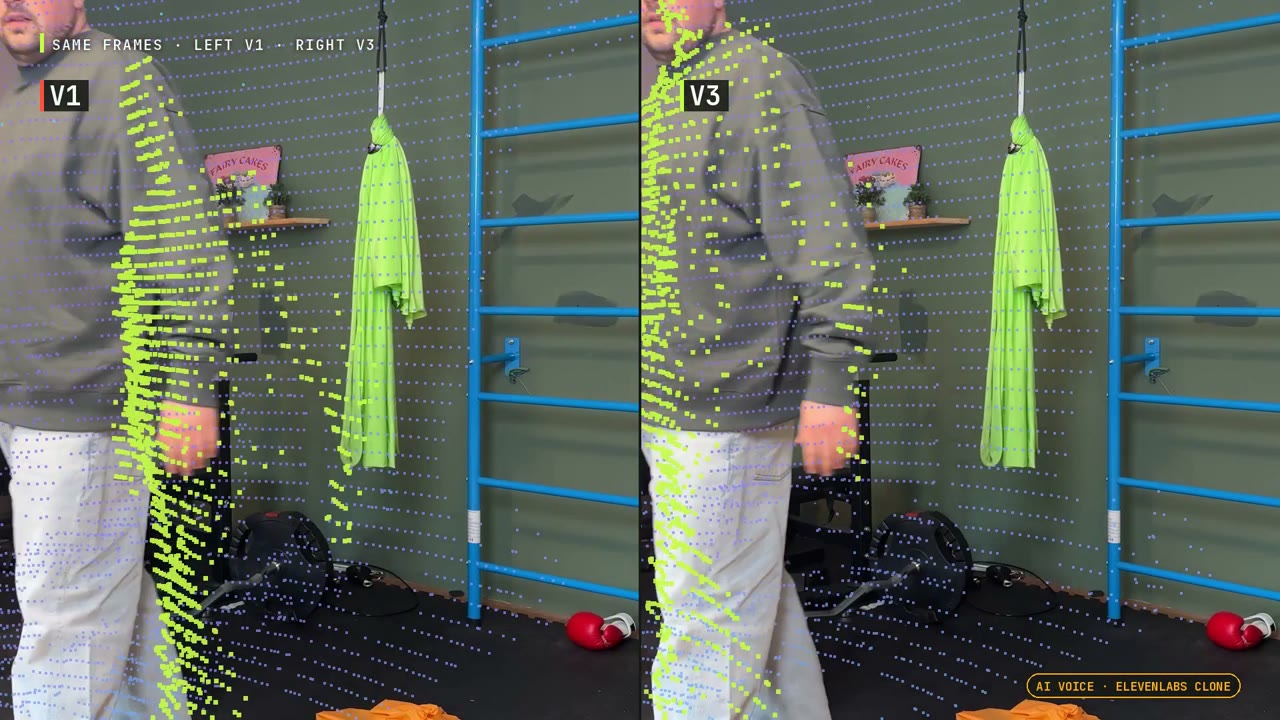
Once the real setup moved, Episode 10 had to locate the live OS0 in the earlier map and align the iPhone again. A plausible wall fit initially placed the camera incorrectly. Moving-person observations made the time offset visible alongside the geometric fit.
Segmenting my body points into a rough avatar added another layer: measured clusters, inferred skeleton and unseen anatomy. Heading flips and partial visibility showed exactly where a believable person could contain more assumptions than observations.
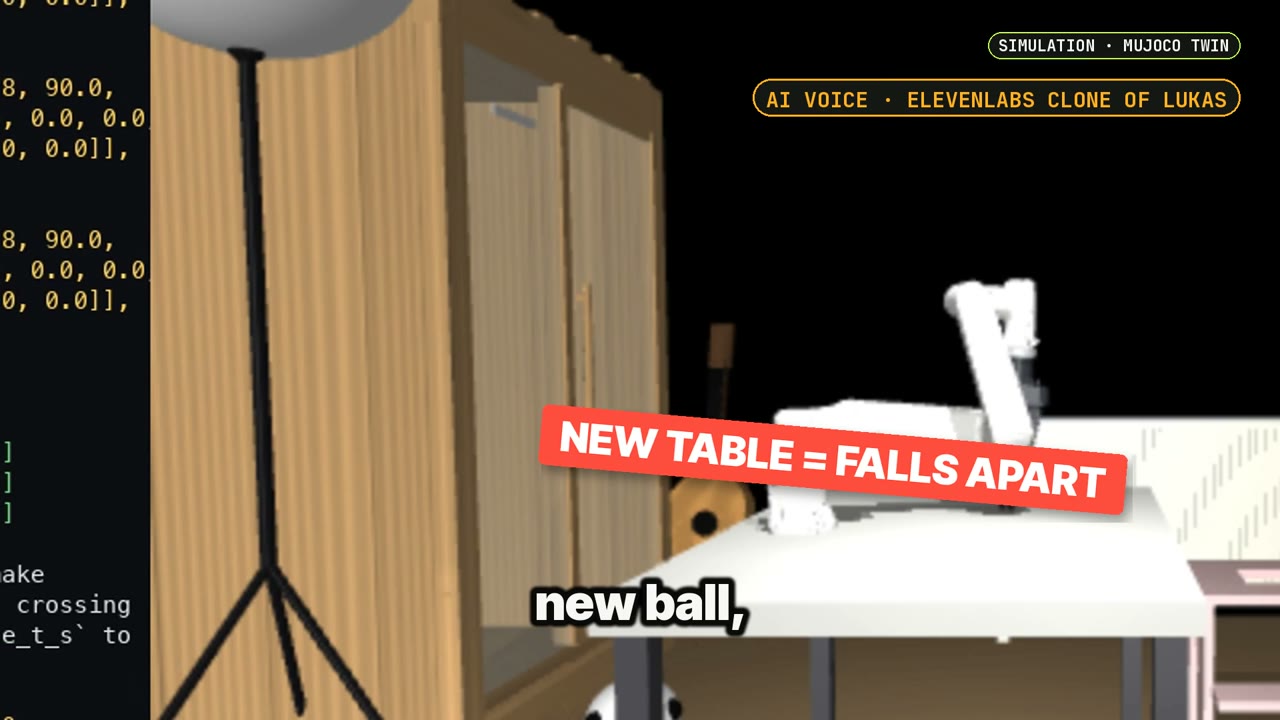
The basketball experiment put a simulated ECO65 into the desk twin. The wrong table, unstable physics and a gripper ejecting the ball all needed attention before evaluating Gemini’s throws. The final run scored four baskets in five attempts, while Gemini misclassified one made shot.
The room was now part of an experiment with an independent outcome check. That is a useful advance over a visual tour, but the result remains tied to a small, fixed simulation. The next step is checking scene dimensions, contact properties and sensor observations against physical measurements.
Appearance, metric geometry, collisions, dynamics, sensing and controller behaviour each need evidence. The cross-episode value is seeing which layer a failure belongs to—and correcting it without claiming that the entire digital twin has been validated.
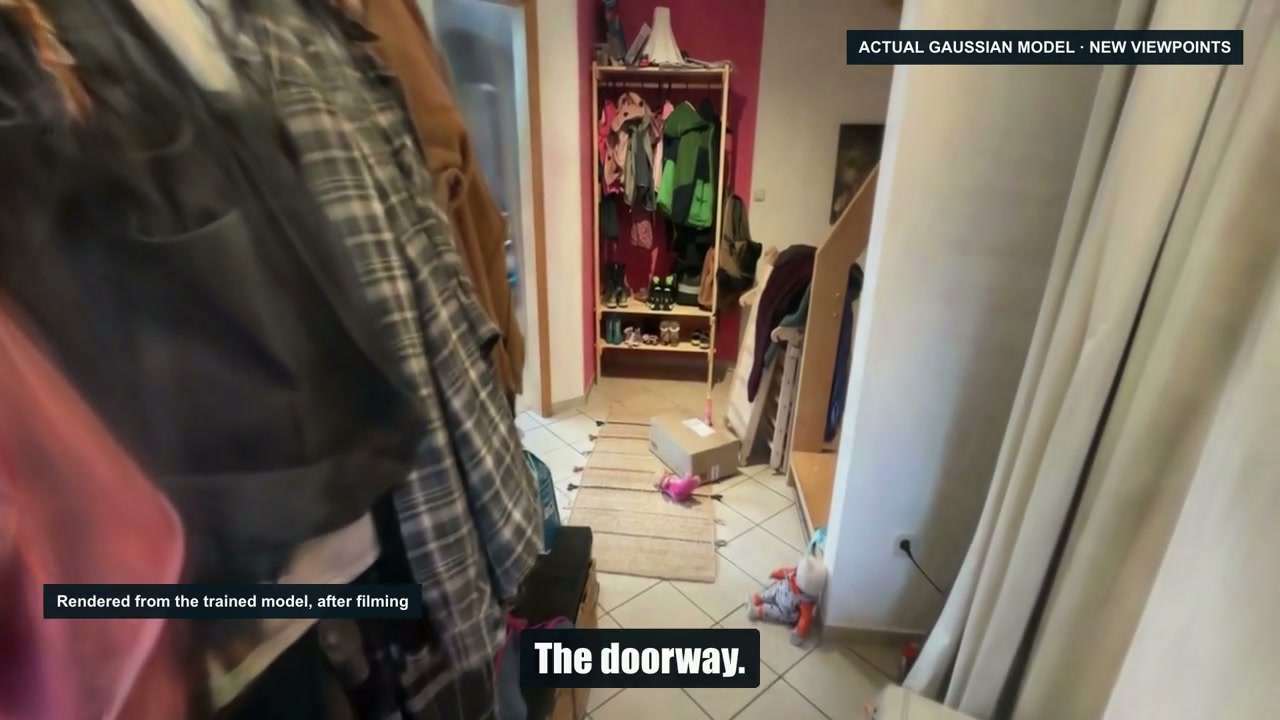 Watch episode 05 ↗
Capture time is not processing time; not a metrically validated model.
Read the episode field note →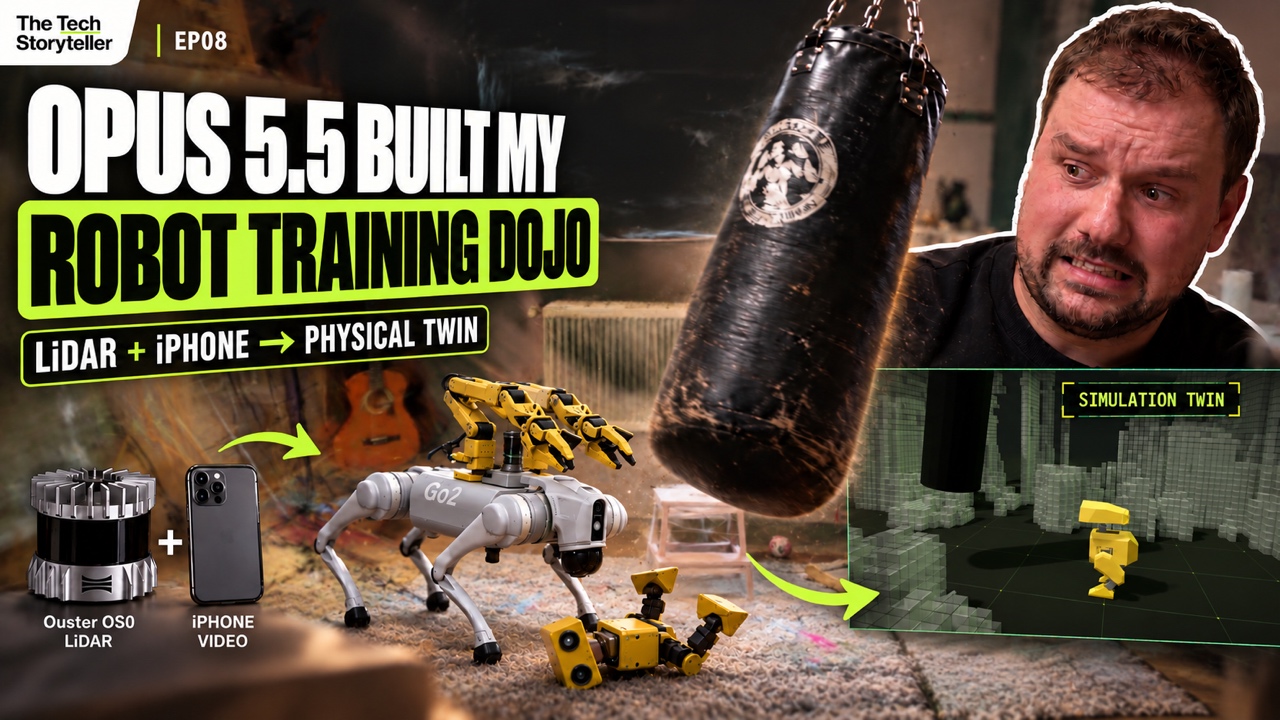 Watch episode 08 ↗
No trained autonomous real robot; masses estimated.
Read the episode field note →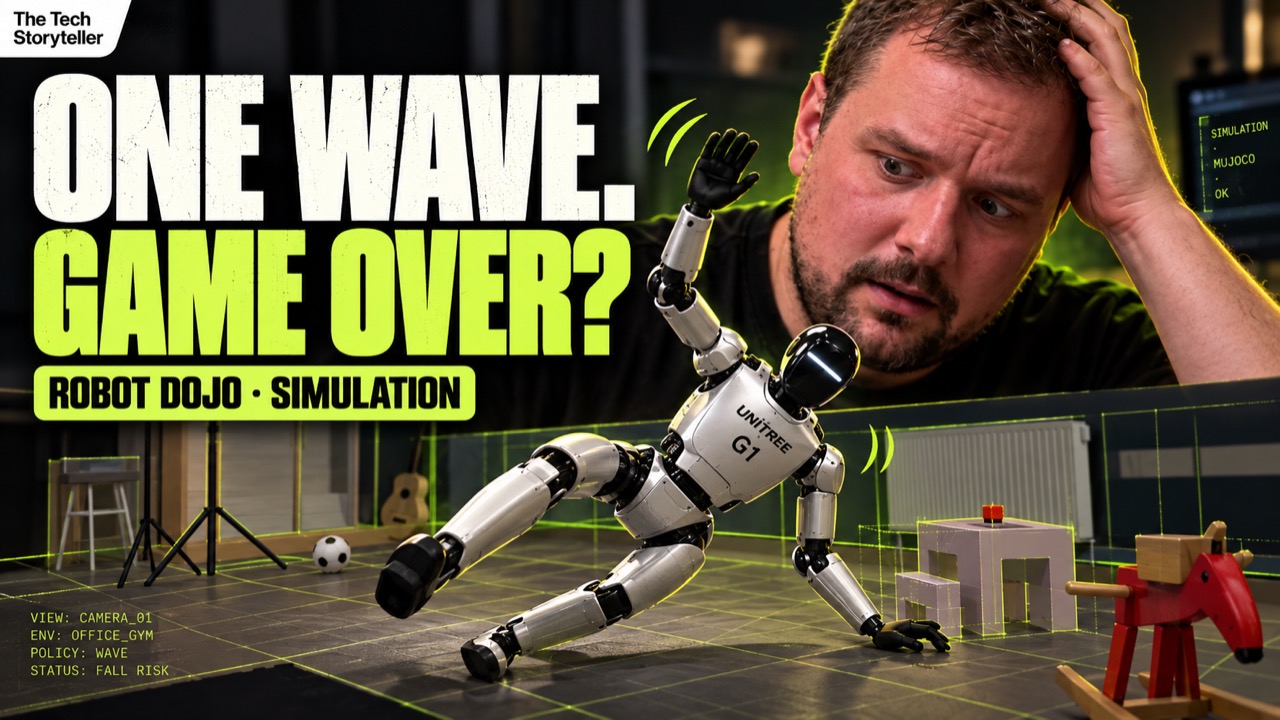 Watch episode 09 ↗
All robot-side evidence simulated; grasp repeatability unresolved.
Read the episode field note →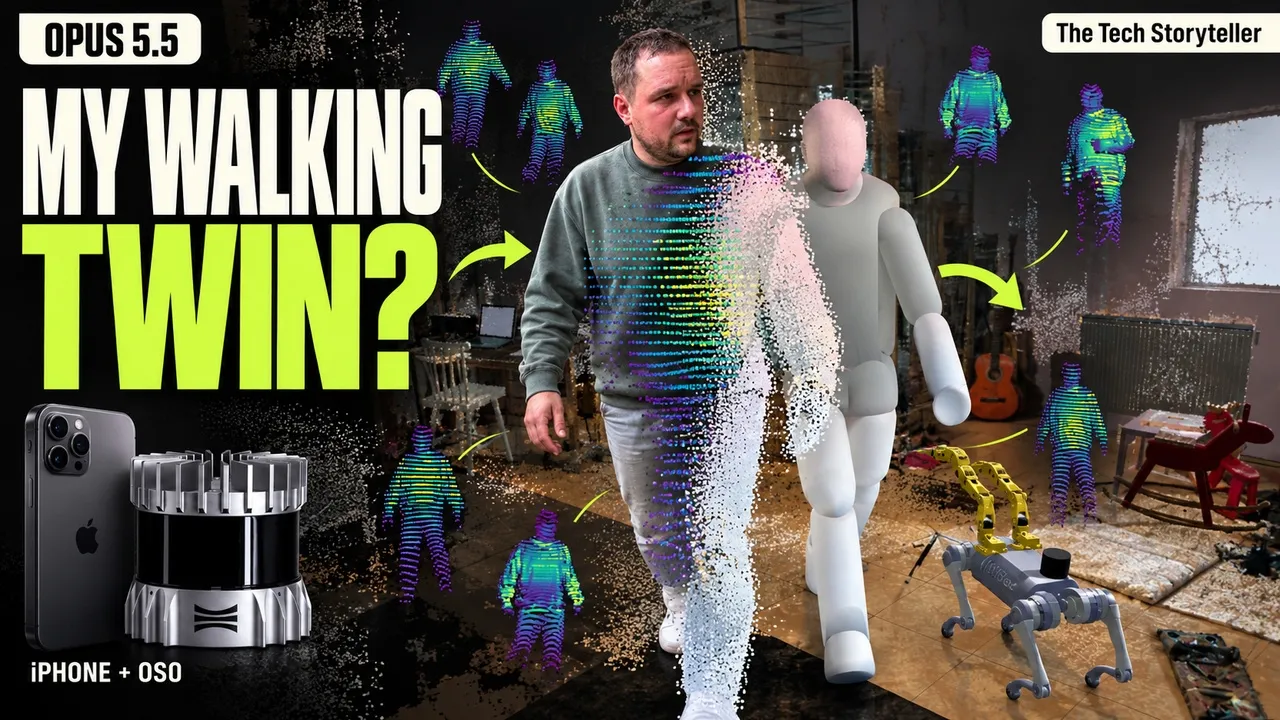 Watch episode 10 ↗
Reprojection residuals do not independently validate physical accuracy; intrinsics estimated.
Read the episode field note →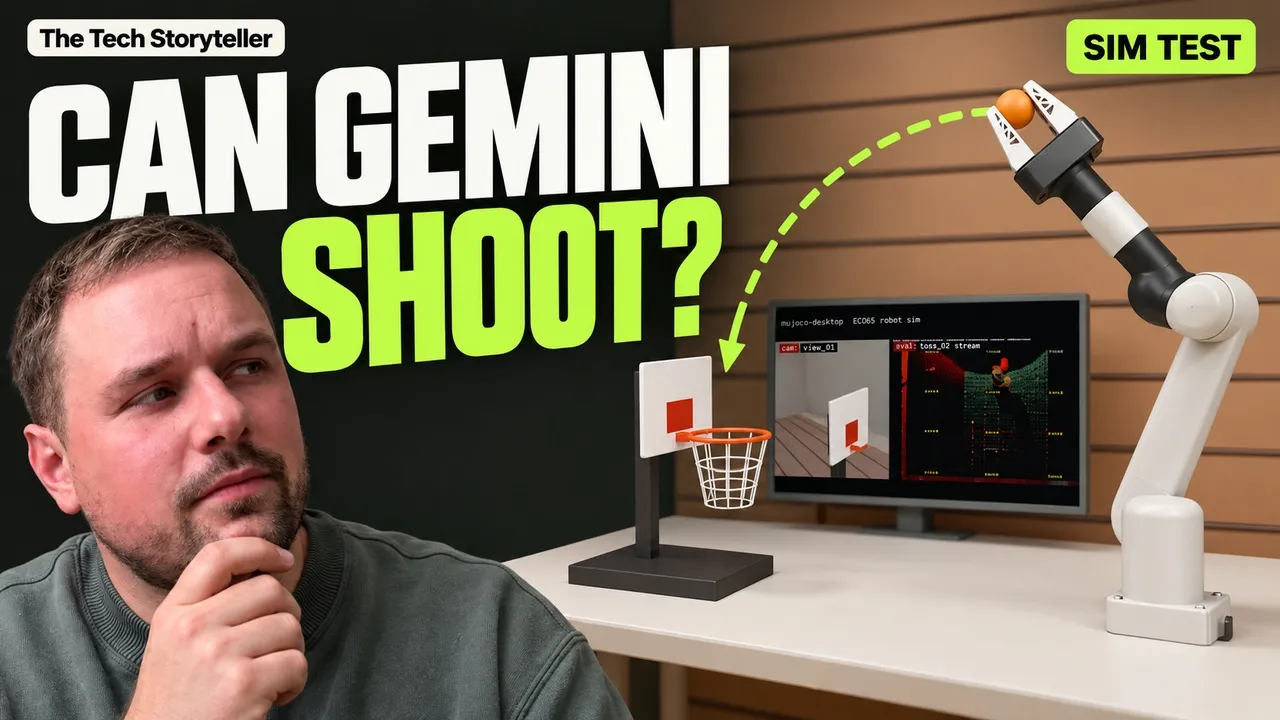 Watch episode 11 ↗
Five throws in fixed simulation, not robotics benchmark or physical test.
Read the episode field note →HOW THIS COULD WORK FOR YOUR TEAM
For compute, sensor and developer-tool teams, this is a way to make an end-to-end workflow visible: inputs, processing, choices and the resulting application.
Explore the offer→Pricing on request
LET’S BUILD A USEFUL STORY
Bring a product, a workflow or an engineering question. We agree the experiment, deliverables, publication and usage before the work starts.
Discuss a collaboration↗Pricing on request · lukas@alphavant.com